
The Best Time of Year for Tree Removal
Trees can be a lovely addition to any landscape, providing shade, beauty, and even benefits for the environment. However, there comes a time when tree removal becomes necessary. Whether due to safety concerns, disease, or simply to clear up space, removing a tree isn't something to be taken lightly. Understanding the right time for tree removal can save you a lot of hassle and potentially reduce costs.
Timing is crucial when it comes to removing trees. By choosing the best season or even the right month, you can ensure that the process is smoother and more efficient. Additionally, certain times of the year can minimize disruption to the surrounding landscape and help you avoid unexpected challenges. This article will guide you through why specific seasons work best for tree removal and how to decide when it's right to act.
Understanding Tree Removal Needs
Making the decision to remove a tree often comes from pressing needs. But what exactly prompts this need? Let's explore some common reasons:
1. Disease: If a tree is sick, it can spread the disease to other healthy trees. Removing it can prevent further damage.
2. Damage: Severe storms or other environmental factors can damage trees beyond repair, making removal necessary to ensure safety.
3. Overcrowding: Sometimes, trees are planted too closely together or have grown beyond their original space, requiring thinning out.
Each of these situations highlights the importance of timing. For instance, a diseased tree needs urgent attention before the problem spreads. A damaged tree might pose immediate risks, especially if it's at risk of toppling. Timing removal appropriately can also protect the remaining trees and make the process more cost-effective.
A key factor to consider when removing a tree is its condition. A healthy tree, even if situated poorly, can often be managed longer than one that shows signs of decay or disease. Observing your trees regularly and noting changes can help in planning their removal at the right time.
In addition to health and structural concerns, consider the surrounding environment. Removing trees during certain times can lessen the impact on wildlife and other plant life, making it a more sustainable choice. This consideration ties directly into the seasonal aspect of tree removal, which influences both the timing and method of removal.
Understanding these needs and planning accordingly will support better decision-making in tree management — ensuring both safety and longevity for your landscape.
Seasonal Breakdown of Tree Removal
Choosing the right season for tree removal can impact both the ease and success of the process. Let's take a closer look at how each season brings its unique considerations.
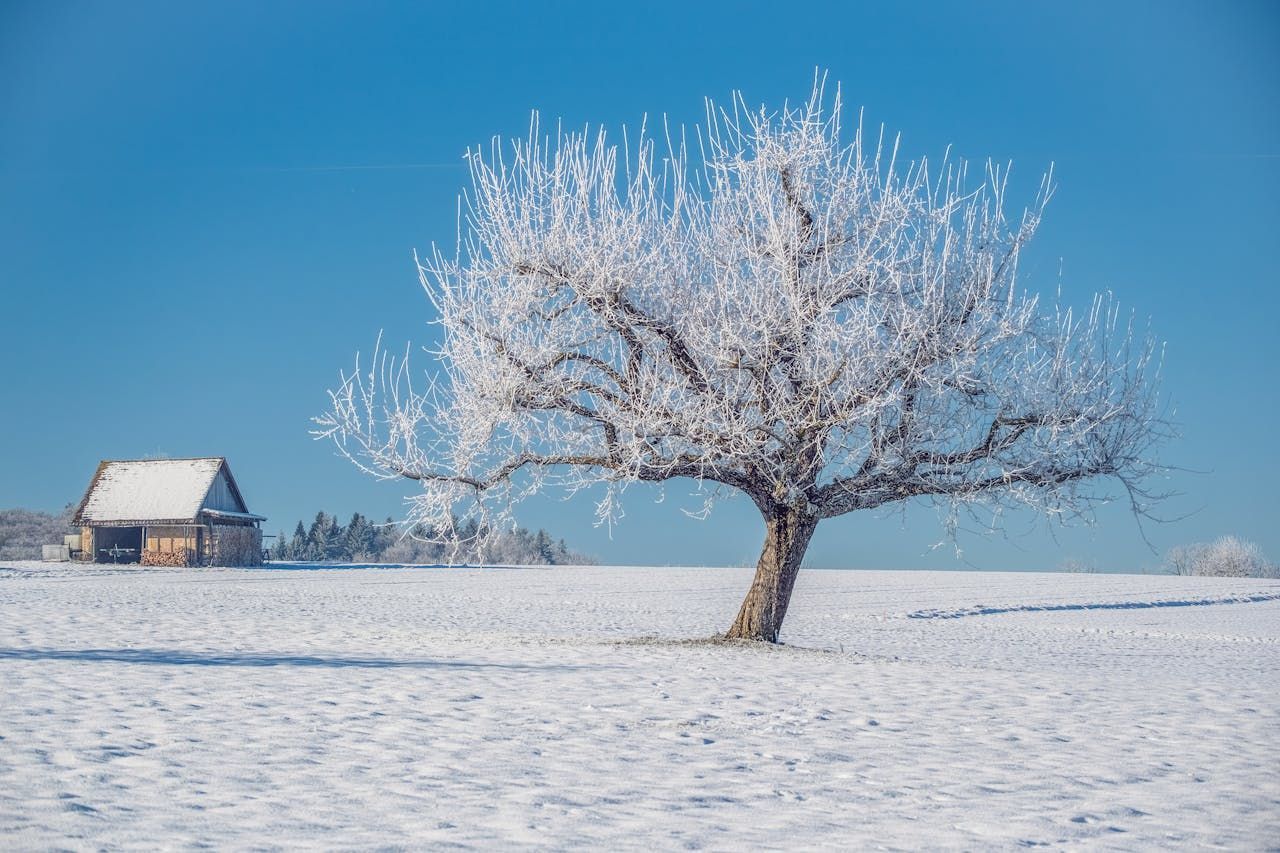
During winter, trees are typically dormant, which makes this time ideal for removal. With no leaves to manage, the process is quicker and less messy. Additionally, with the ground often frozen in colder climates, equipment can move without causing harm to your lawn. The lack of active growth in winter means the tree's energy is at its lowest, allowing for a more straightforward removal process.
Spring presents a different picture. As trees wake from dormancy, they begin to bud and leaf out, which could complicate removal. However, early spring can sometimes work if the ground is firm and the tree has not yet fully awakened. One challenge in spring is dealing with unpredictable weather, which can make planning a bit tricky. If removing a tree in spring is necessary, ensure it's done before full bloom.
Summer might seem like a warm and pleasant time for outdoor activities, but tree removal isn't the best fit for this season. With trees in full leaf, removal can become more cumbersome and potentially damaging to the surrounding plants. However, if a tree poses immediate safety risks or has become diseased, summer removal might be unavoidable. In that case, take extra care to protect the rest of your garden from damage during the process.
Fall is another favorable season for tree removal. As leaves start to drop, it becomes easier to assess a tree’s structure and any issues it may have. Removing trees in fall can also prepare your property for the coming winter storms, minimizing the risk of damage from fallen trees or branches.
Benefits of Choosing the Right Time
Timing your tree removal effectively can provide multiple benefits. One significant advantage is cost savings. By choosing a time when the process is smoother and simpler, you can often save on service costs. Additionally, certain times of the year may result in better project availability, helping to schedule removal at a more convenient time for you.
Environmental factors also play a crucial role. Removing trees when they're dormant can minimize the impact on nearby plant life. This is because fewer disruptions to the surrounding soil and root systems occur when trees aren't actively growing. Moreover, choosing the right time can ensure that the soil integrity remains intact, safeguarding the health of the remaining landscape.
Tips for Preparing for Tree Removal
Once you've decided on the best time for tree removal, some preparation can help ensure a smooth process. Here are a few practical steps to consider:
1. Schedule an Assessment: Before any work begins, have a professional inspect the tree to confirm its health status and the necessity for removal.
2. Obtain Necessary Permits: Depending on your local regulations, permits may be required for tree removal. Check with your municipality to avoid any legal issues.
3. Clear the Area: Make sure the space around the tree is free of obstacles, such as outdoor furniture or children's toys. This ensures the safety of both the workers and your property.
4. Communicate with Neighbours: If the tree is near a property line, inform your neighbours of the planned removal to prevent any misunderstandings.
5. Plan for Cleanup: Decide in advance what will happen to the tree debris. Are you planning to keep the wood, or will you want it hauled away?
Ensuring Your Landscape's Health Post-Removal
After a tree has been removed, attention turns to the health of your landscape. The first step is often dealing with the stump. You may opt to grind it down, which prevents regrowth and makes space available for new plants.
Once the space is clear, consider enhancing the area with new plantings. Whether you choose to plant a new tree or diversify with flowers or shrubs, enriching the area helps restore balance. Be mindful of choosing species suited to your local climate and soil conditions, ensuring they thrive in their new home.
Regular maintenance is key for landscape health. Continue to monitor the area for signs of new growth or issues such as soil erosion. By staying proactive, you ensure your garden remains a beautiful and safe environment.
Wrapping Up: The Ideal Time for Tree Removal
Timing holds the key to effective tree removal, with each season offering its own benefits and challenges. Choosing wisely allows you to avoid potential pitfalls like damage to other plants or higher costs. By paying attention to the specifics of each season, you can make informed decisions that benefit your property in the long run, ensuring that all surrounding elements thrive harmoniously.
Timing and expertise are essential when it comes to maintaining the safety and beauty of your property. If you're considering
tree removal services, trust Barrie Tree Care Pros to provide a safe and efficient solution. Our experienced team can assist you with all your tree-related needs. Discover more about our services and ensure your landscape remains healthy and vibrant year-round.