
How Dead Tree Removal Helps Keep Your Yard Safe
Early spring can feel like a reset for your yard. Buds start to push through, snow disappears, and the ground becomes softer with each passing week. But as everything begins to wake up, some parts of the yard might show signs they won't come back to life at all. Dead trees can blend in at first, especially when everything's still bare, but they pose bigger problems than most people realize.
Dead tree removal is one of those quiet to-dos that often gets pushed aside. It doesn't always seem urgent until there's a storm or a sudden break. The truth is, removing dead trees before the heavy wind and rain seasons pick up is one of the best steps toward keeping your outdoor space safe and healthy. It's something to think about now, before leaves start growing and hiding warning signs.
Why Dead Trees Can Be Risky
A tree that no longer shows life may not look dangerous at a glance, but that's exactly what makes it risky. Without healthy roots or limbs, dead trees become unstable and unpredictable.
- Dead trees lose the strength to stand up to strong winds or heavy rain. Even mild spring storms can knock them over quickly.
- Branches hanging from a dead or dying tree are more likely to crack off without any warning, especially after a wet day.
- Each weak point adds risk for people, pets, or anything else nearby. What starts as a small rot can lead to major damage as the season moves forward.
When spring weather picks up, those hidden weak spots tend to show themselves suddenly. Preparing early is the better choice when safety is on the line.
Signs a Tree Might Be Dead or Dying
Knowing what to look for can make spotting a problem much easier. Early signs often show up before full leaves return, so spring offers a window to check for trouble.
- Look for trees that aren't budding while others nearby are. No signs of new leaves or shoots could mean the tree is no longer living.
- Bark that's cracked, falling off, or missing large patches may point to deeper damage underneath. If the trunk sounds hollow when tapped, that's another signal.
- Fungi or mushrooms growing around the base often show that decay has taken hold inside the tree. These small signs usually mean bigger problems under the surface.
If you're unsure, trust your eyes. If something looks off compared to your other trees, it might be worth a closer look now rather than after a branch falls unexpectedly.
What Happens If You Leave a Dead Tree Standing
A dead tree left untouched doesn't just sit quietly in your yard. Over time, it starts to cause a ripple effect that can spread to other parts of the yard.
- As dead wood starts to decay, rot and plant disease can spread to nearby trees or shrubs.
- Insects like termites or beetles often move into a dead tree and then crawl their way into healthier plants, or worse, into sheds or homes.
- When a dead tree eventually falls on its own, it usually doesn't land in a clean spot. That means damage, harder clean-up, and repair work that could have been avoided.
Waiting too long to deal with a dead tree often leads to more work and more risk than expected. Acting early makes the whole yard easier to manage through spring and summer.
How Removal Helps Keep Your Yard Safer and Healthier
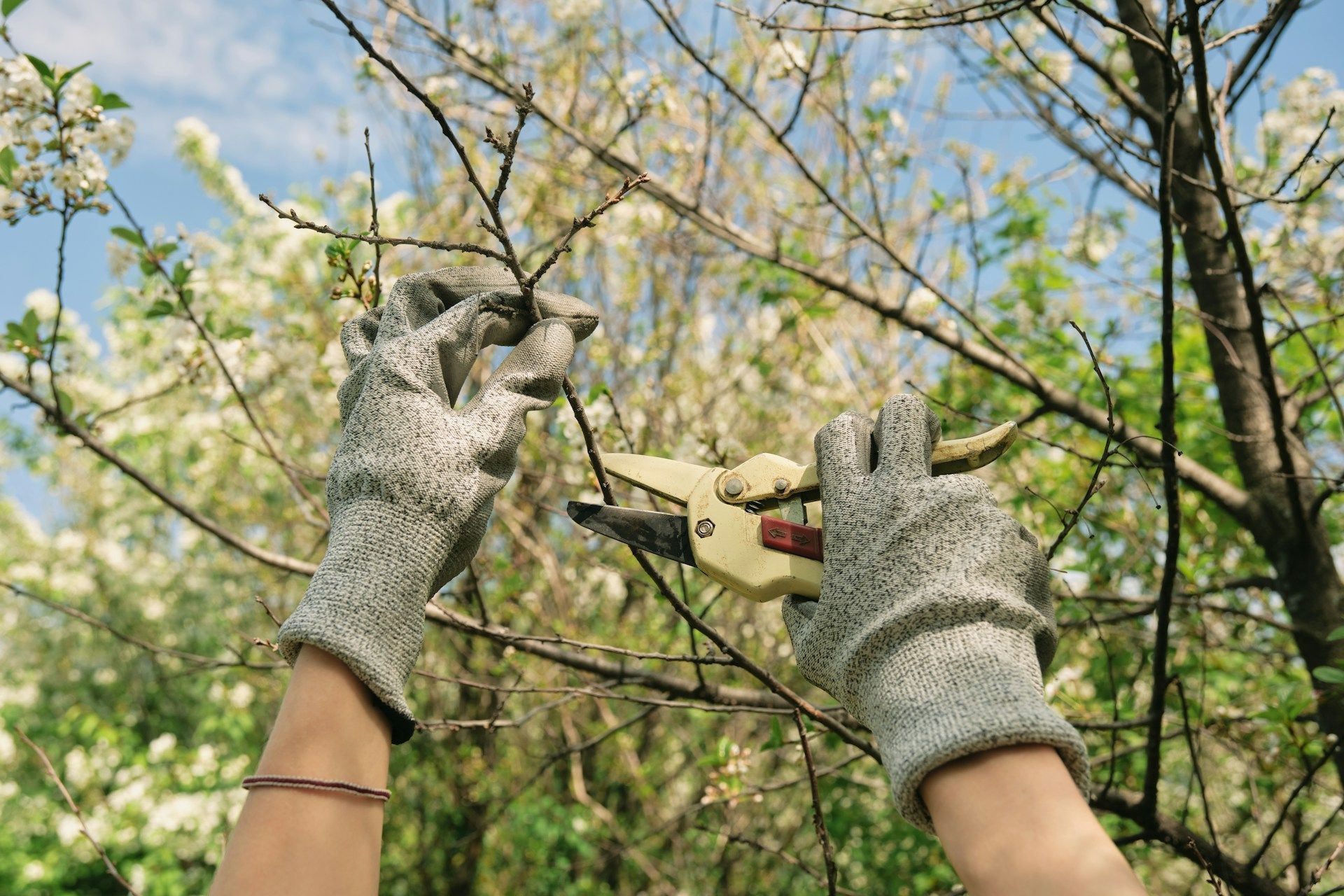
Taking out one dead tree can feel like a big change, but it often opens up better space, light, and safety for the rest of the yard.
- Without the shade or block from a dead tree, healthy ones nearby get more sun and room to grow strong.
- Removing dead limbs and trunks clears paths, play areas, and garden spots, giving pets, kids, and adults safer space to enjoy time outside.
- With no weak wood hanging over fences, roofs, or wires, there's less chance of sudden breaks during storms or windy days.
Think of it as making room for better growth. One less hazard often makes the yard feel cleaner, safer, and fresher heading into warmer months.
When to Call in the Pros
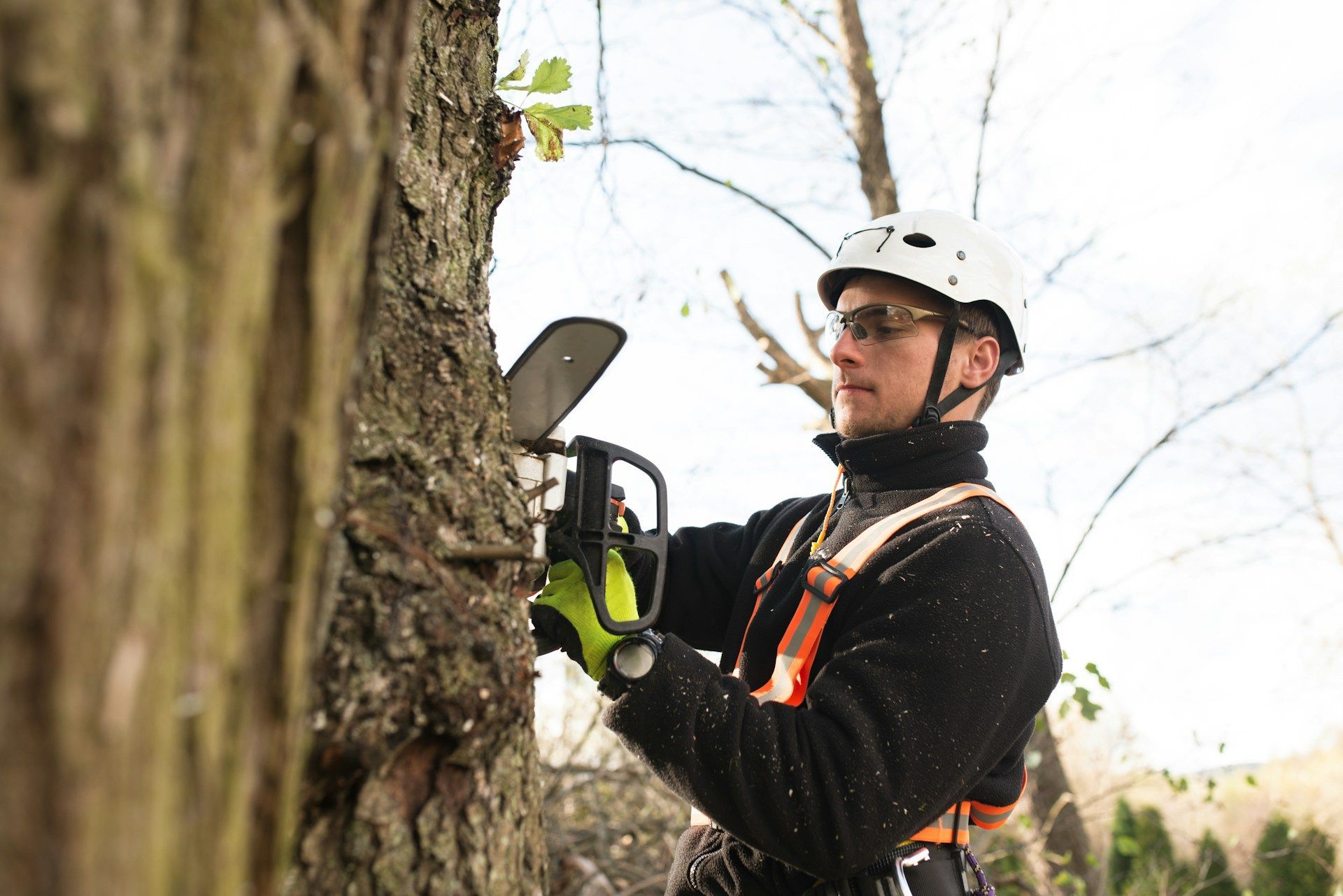
Not all trees are easy to handle. The bigger they are or the closer they sit to wires or buildings, the harder they become to remove safely.
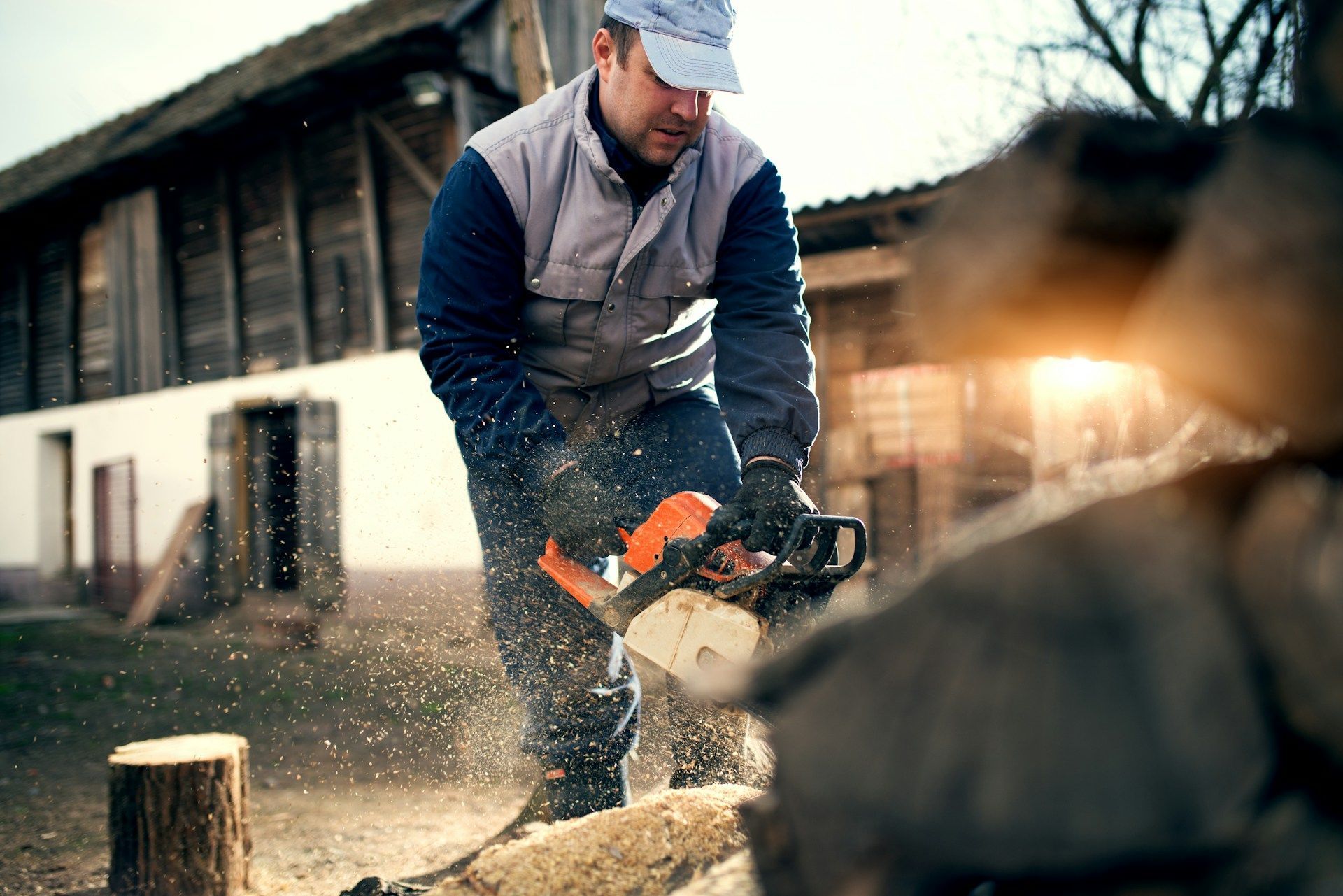
- Ladders and saws only go so far when a tree is tall or leaning in the wrong direction. Without the right approach, it's easy for something to go wrong.
- Some trees are in tight spots next to sheds, decks, or uphill terrain, which makes controlled removal tricky.
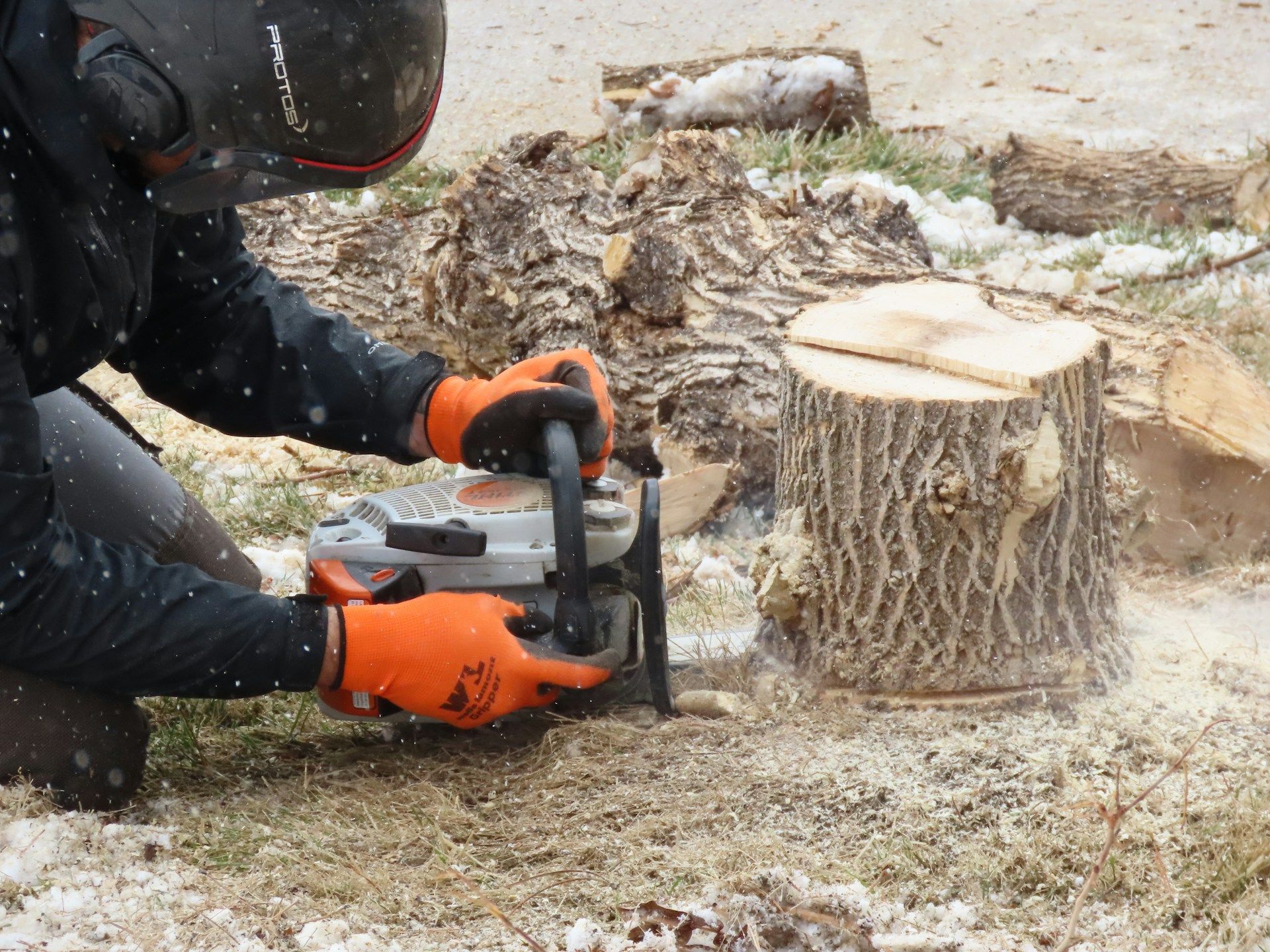
- Handling a tree safely means more than just cutting, it's about knowing how to drop it without extra damage, especially when space is limited.
If there's ever any doubt, it helps to have someone who knows what to look for. Calling in help early could mean avoiding more serious trouble later.
A Safer Yard Starts with a Clear Plan
Spring has a way of speeding up once it begins. That's why right now is a good moment to walk through the yard and take stock. A tree that didn't leaf out last year might not make it through this one. Removing dead growth doesn't have to change how the yard looks overnight, but it can quietly shape how safe and healthy it feels months from now.
The goal isn't to clear everything, just to spot what's not coming back. By paying attention to that now, your yard gets a smoother start into the new season with fewer surprises along the way.
Don't let dead trees compromise the safety and beauty of your yard. At Barrie Tree Care Pros, we specialize indead tree removal to ensure your outdoor space remains healthy and hazard-free. Our expert team is ready to assess your trees and take action before any issues arise. Reach out to us today and secure peace of mind for the upcoming season.