
A Guide to Professional Tree Removal in Simcoe County
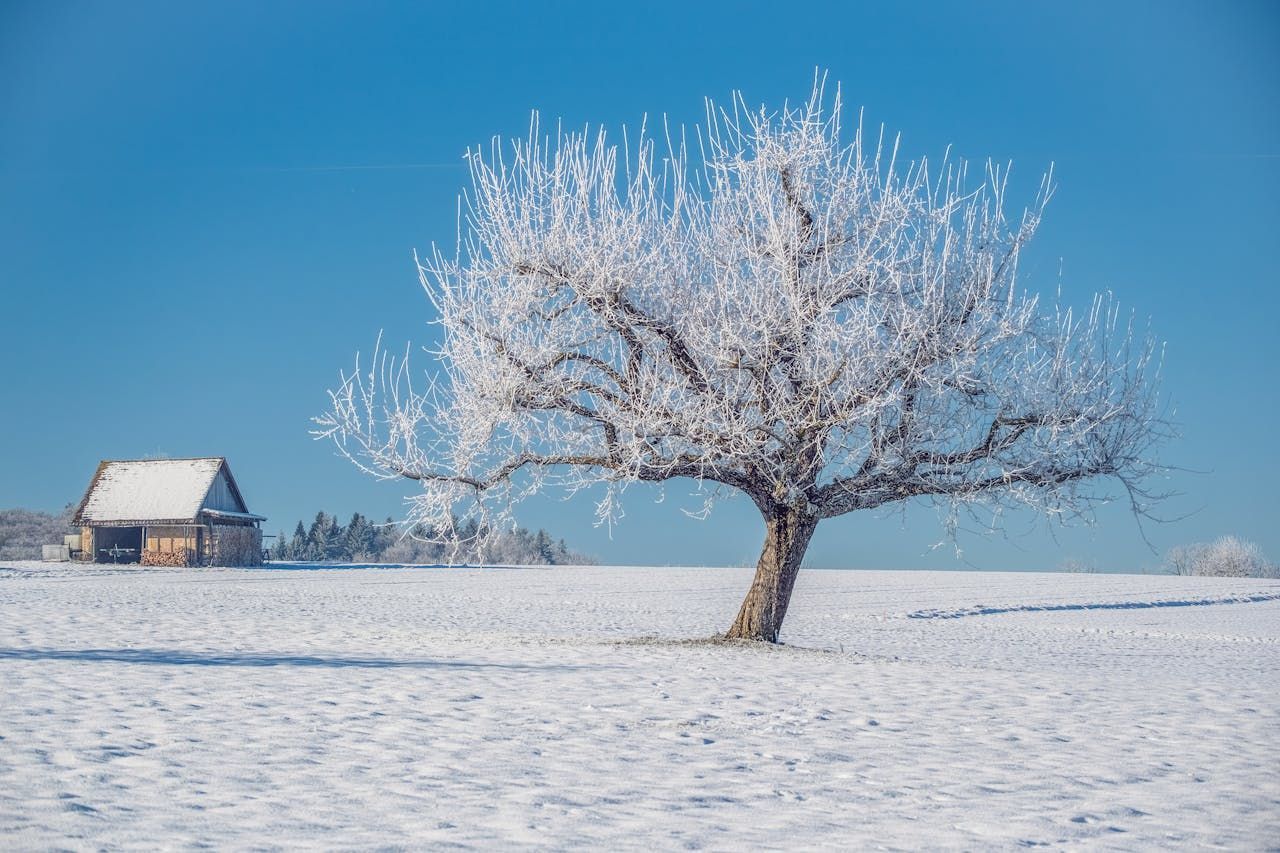
Spring is a smart time to look at the trees around your home, especially after an Ontario winter. Between heavy snow, freezing rain, and cold winds, trees go through a lot. Once the temperatures start rising, we often see the marks that winter left behind. Some trees bounce back with new buds and strong branches. Others lean, break, or show no growth at all.
When a tree is badly damaged, it doesn't always get better on its own. Warmer weather brings more rain and wind, which can make old problems worse. If a trunk is hollow or a limb hangs low, it doesn't take much for that tree to fall or snap. That's why many property owners in Simcoe County look into professional tree removal this time of year. It's a safer, more reliable way to deal with trees that just aren't coming back.
Why Some Trees Need to Be Removed
Not every tree that looks bare in March is a problem. But there are some signs that a tree won't recover. Spotting those signs early can help prevent trouble later, especially before the leaves grow in and hide what's really going on.
- If a tree shows no buds while the others around it are waking up, it might be dead or dying.
- Cracked bark and deep splits in the trunk can mean rot inside that the eye can't see.
- Leaning trunks often mean trouble at the roots, where strong winds or soggy soil have shifted things beneath the surface.
Cold weather can hide damage until spring shines a light on it. Plus, Ontario storms are known to shake up older trees. High winds and packed snow can cause limbs to twist or weaken, even if they don't snap right away. That kind of stress makes existing problems harder to see from the outside.
Sometimes, damaged trees don't show much from the ground. They might look fine until the next windstorm knocks part of them down. A closer look often reveals trouble that isn't obvious, which is why having a second opinion can be helpful.
What Makes Tree Removal Hard to Do on Your Own
Cutting down a tree might sound simple, especially if it looks small or there's space around it. But most trees are bigger and heavier than people expect. Once the job begins, it can quickly become more difficult than planned.
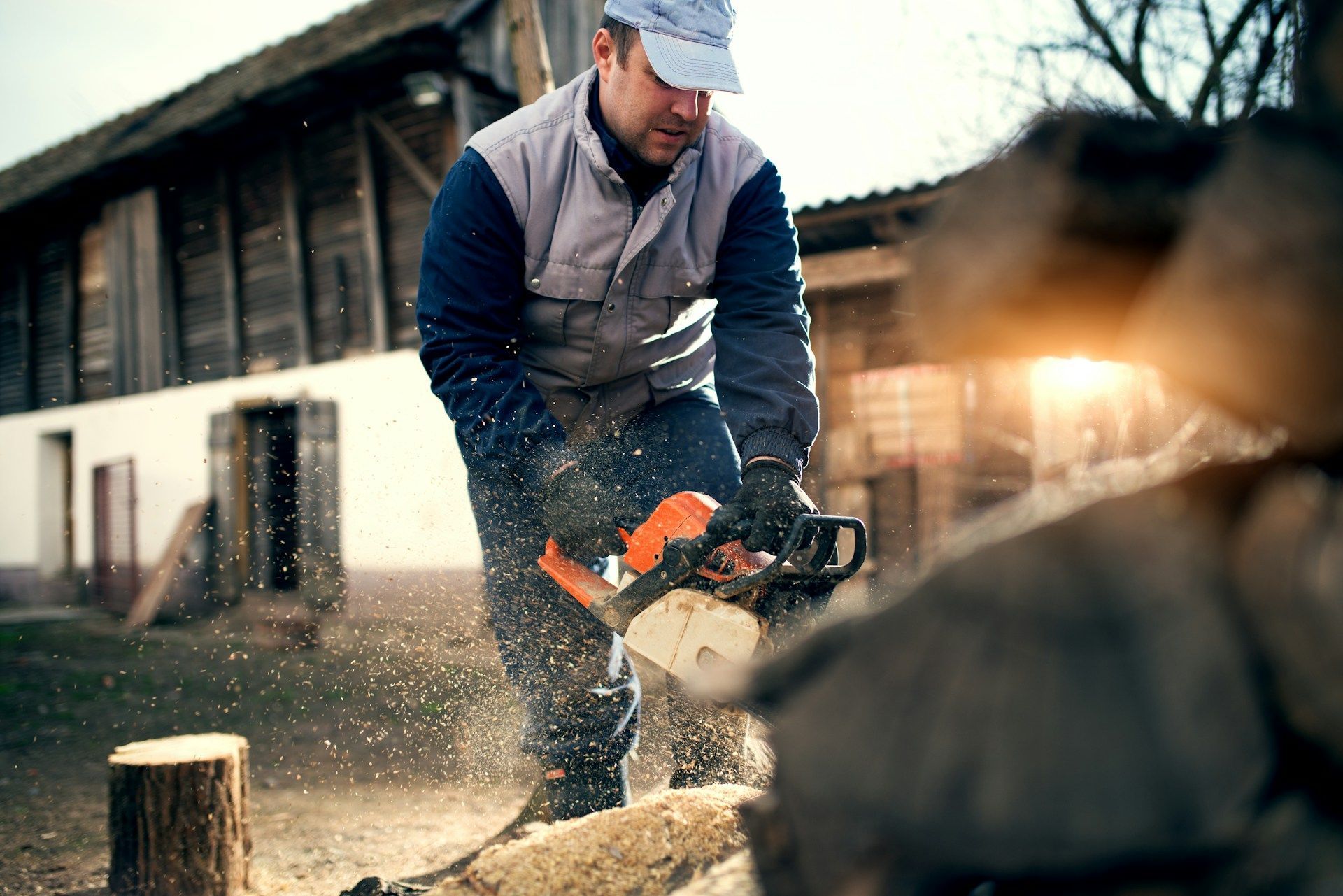
- Taller trees are hard to control without the proper tools. It's not just about cutting, it's about making sure no part ends up falling the wrong way.
- If the tree is near a home, fence, garage, or power line, one wrong move can cause major damage.
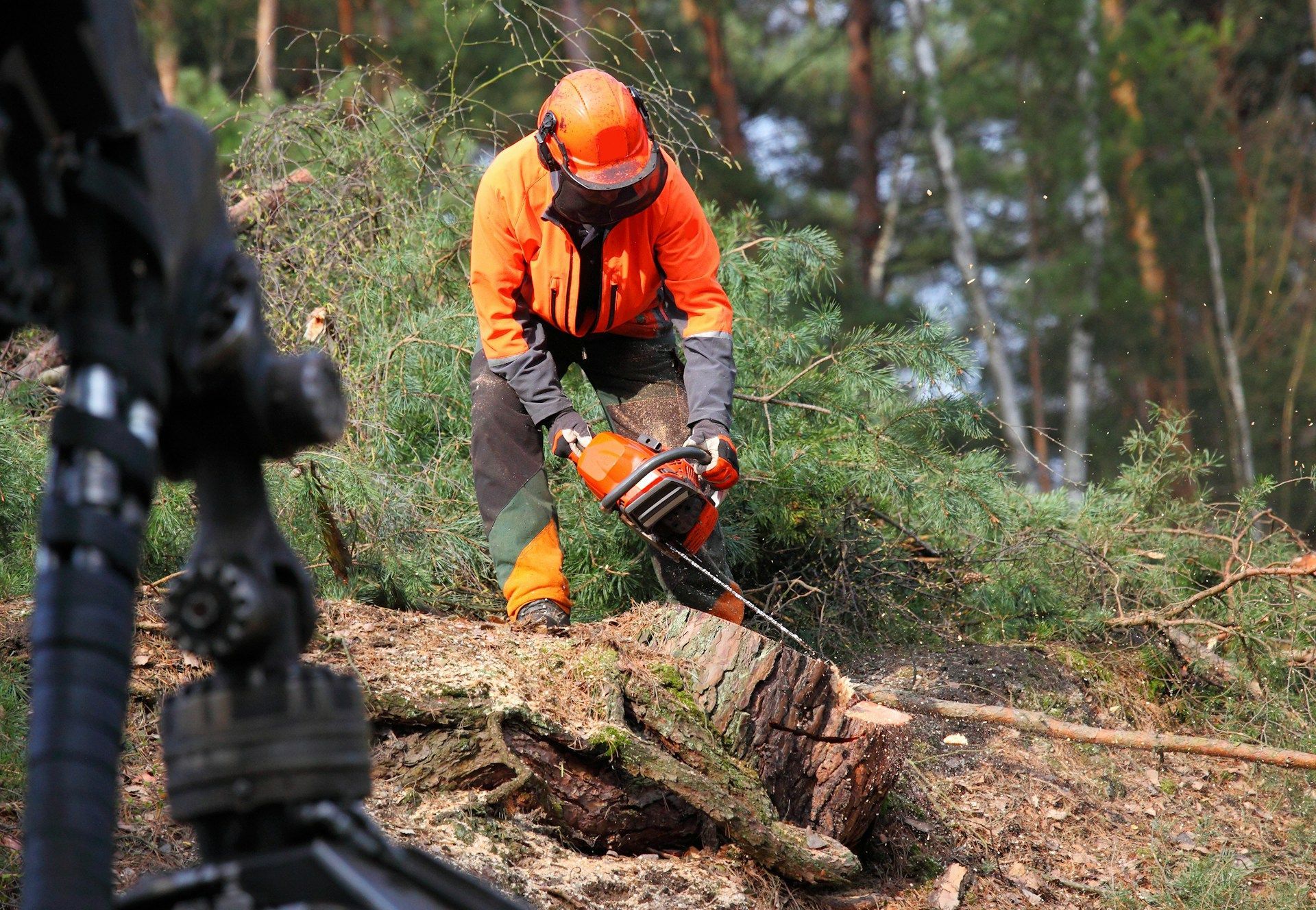
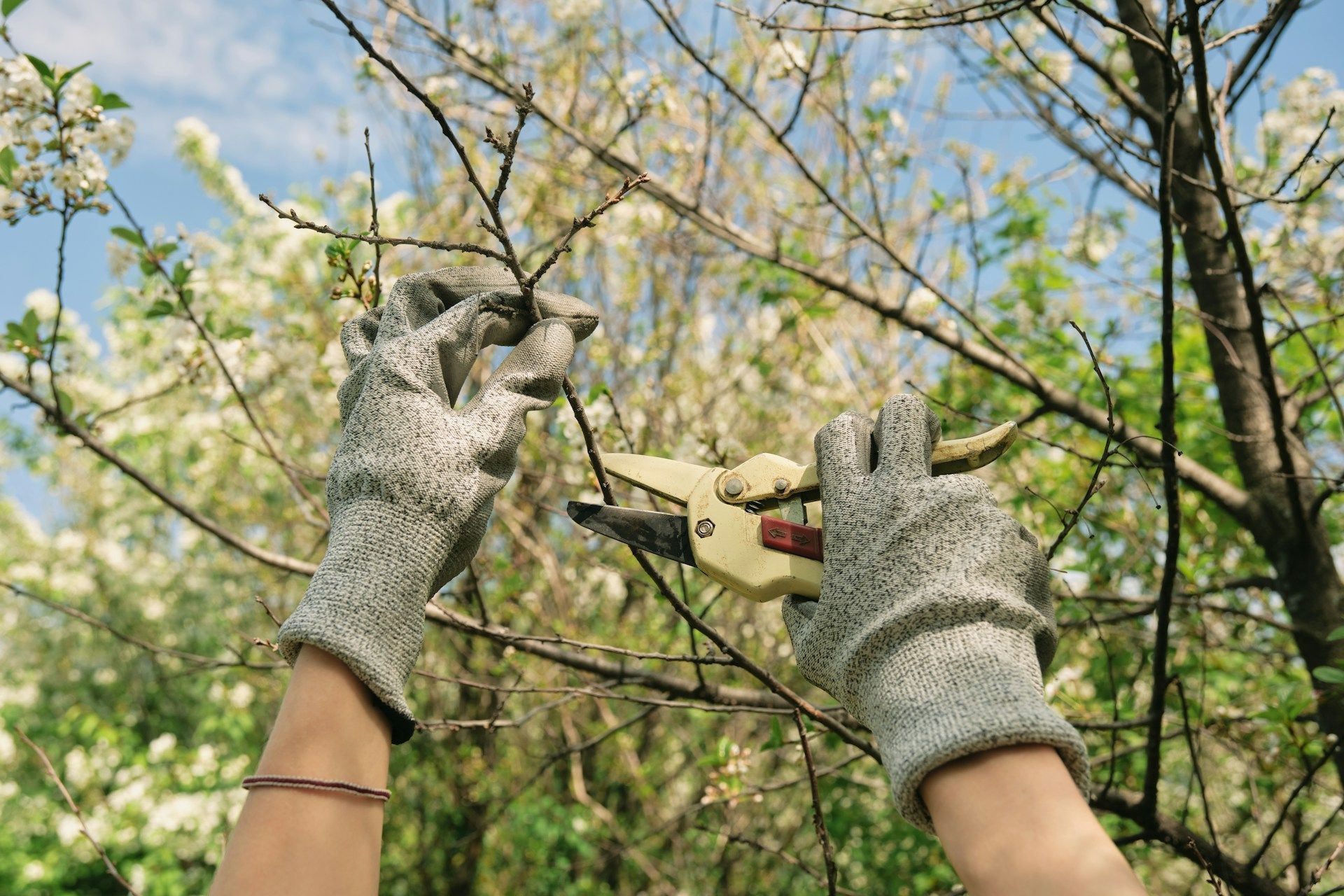
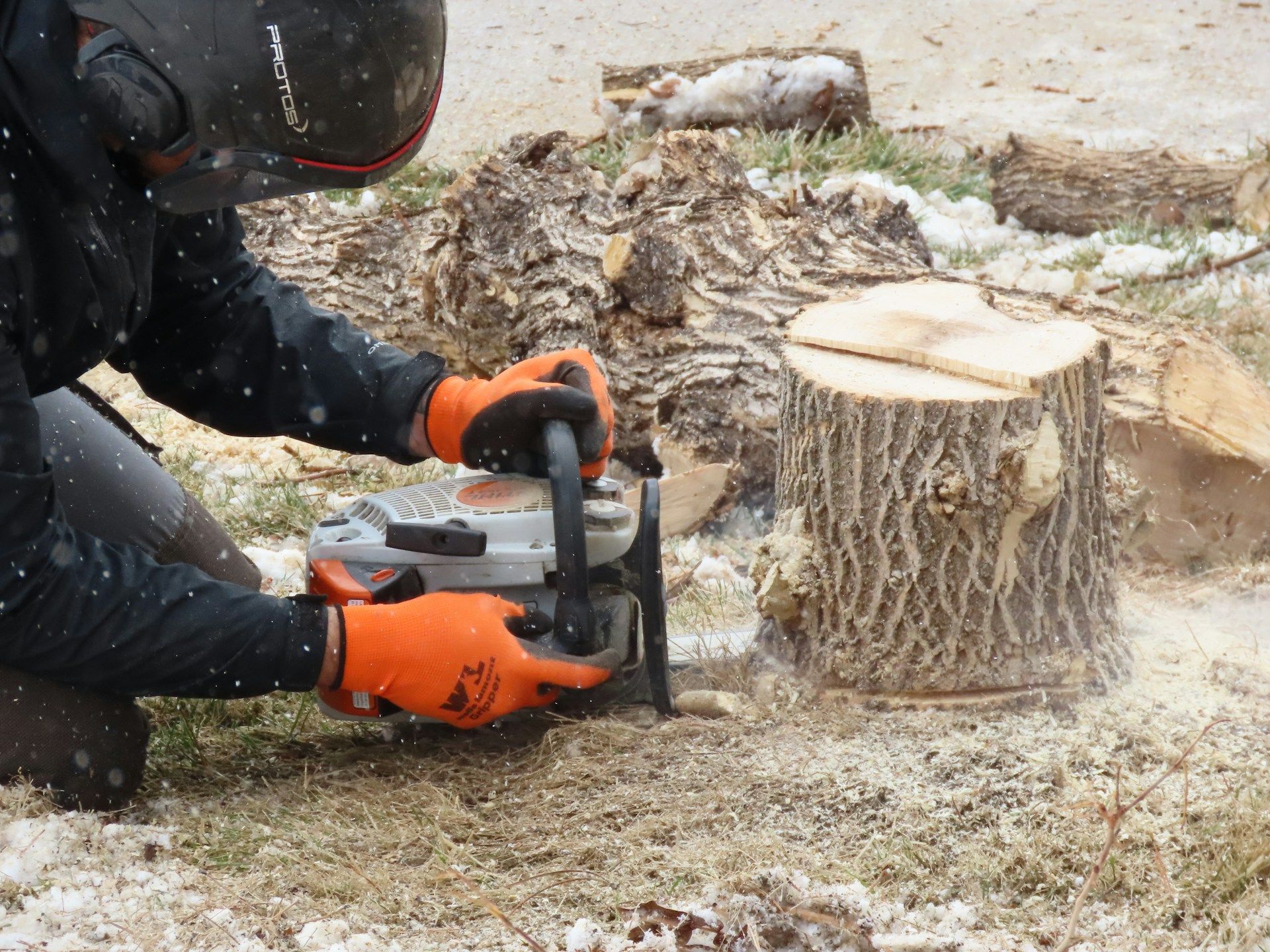
- Removing a tree safely often involves climbing gear, safety ropes, and proper cutting tools most homeowners don't use every day.
Ground around the tree matters too. Wet or uneven soil left over from winter can make ladders or footing less safe. And when roots are deep or near pipes, cutting blindly can lead to other property damage. It's risky work, and each decision matters.
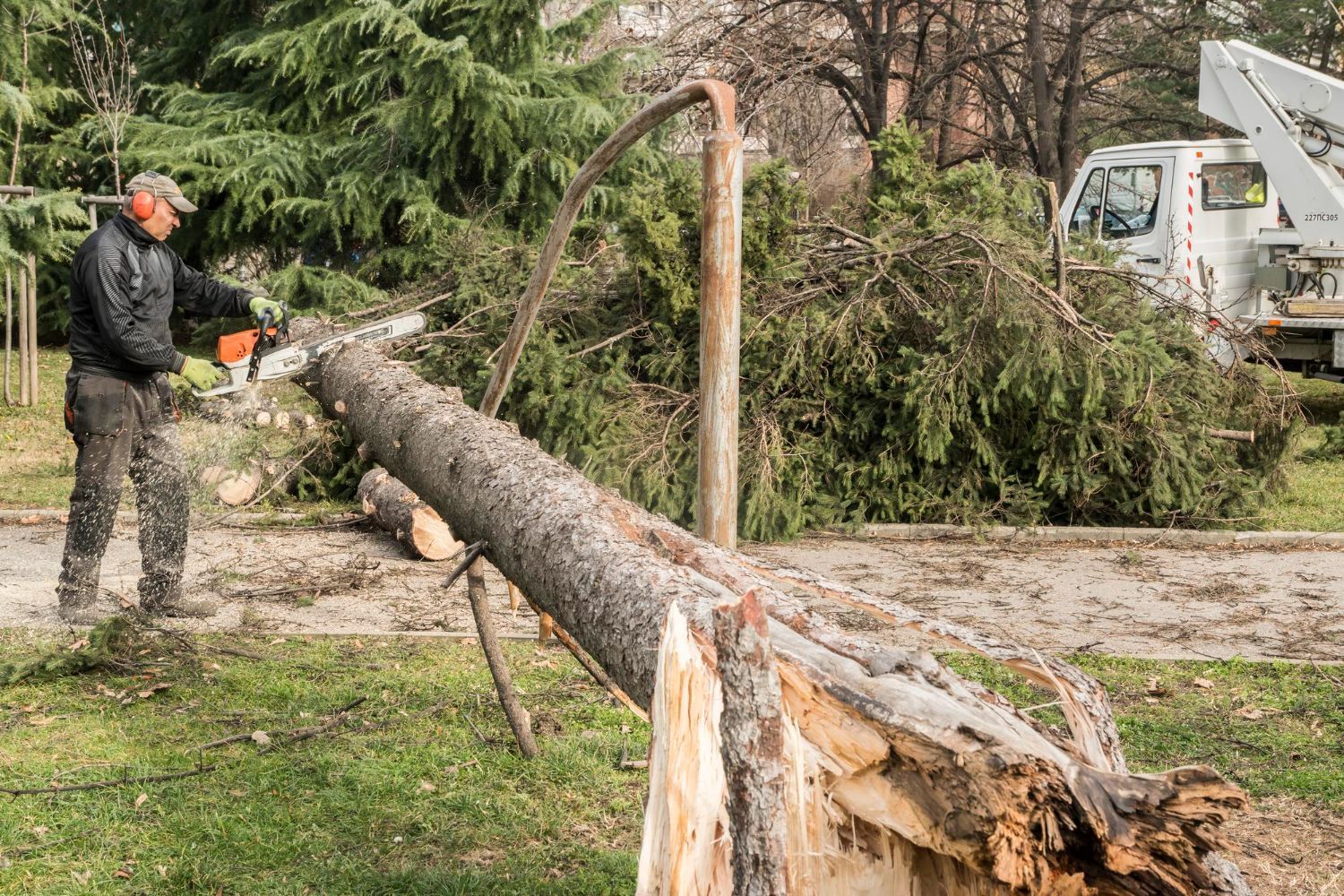
Even trees in open areas can be tricky once you start. Windy days carry branches further than expected. And once a tree starts leaning, there's not always a way to stop it from coming down hard.
How Professional Tree Removal Helps Keep Your Yard Safe
When done right, removing a damaged tree can actually protect the rest of your yard. It also keeps people, pets, and nearby property out of harm's way.
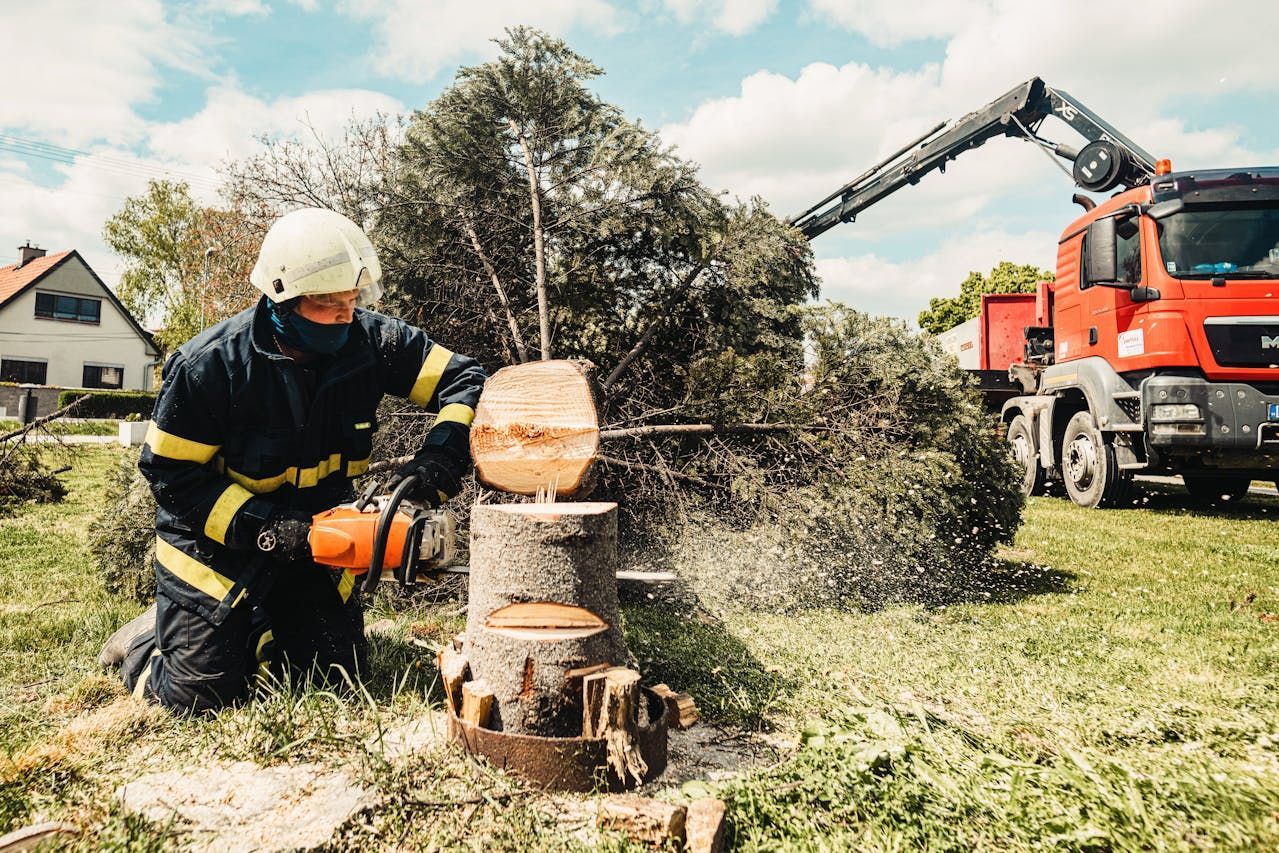
- Professional crews know how to remove trees without breaking fences or tearing up gardens. They use steps to make sure chunks of the trunk fall in the right place.
- Taking out a dying tree before it splits in a storm stops the chance of it falling in the night or during a windy afternoon.
- Once the space is free, it can be used again. Some people choose to plant new trees or build something where the old tree stood.
Safety isn't just about avoiding falls. It's about planning ahead so storm season doesn't take you by surprise. Removing one unsafe tree now may keep the rest of the property healthier too. Big limbs that break off often land on other trees, causing new damage that might not happen if the first tree had been handled earlier.
What to Expect From a Tree Removal Service in Simcoe County
Every visit starts with a good look. We check the tree from different angles to see how it's standing, where the weak spots are, and what's nearby that needs protection. From there, a plan is made.
- First comes the inspection. We walk around the base, check the branches from above, and note anything that seems unstable.
- Then we plan the safest way to bring it down, whether that means taking it down all at once or in smaller pieces.
- Last comes clean-up, where branches, limbs, and leftover wood are moved away so the space can be used again.
Since we work in Simcoe County year-round, we understand the trees here. Different types handle winter in different ways, and we keep an eye out for local trouble signs like certain pests or weather stress that show up more often in spring.
Each town in the county may have its own rules about tree removal, especially with protected areas or larger trees near streets. We help make sure those rules are followed, so no extra surprises show up after the work is done.
A Safer, Cleaner Yard Starts Now
Spring is smart timing to look over the trees around you. Before storms roll in or new growth hides the damage, it's easier to spot what might be unsafe. Trees that struggled this winter may not hold out much longer if the weather picks up again.
If a tree seems hollow, unstable, or just doesn't look right, it's better to act sooner than later. Clearing out risky trees makes space for healthier plants, safer outdoor time, and fewer surprises when the next rain or windstorm arrives.
Ensure your yard is ready for the changing seasons by considering
professional tree removal with Barrie Tree Care Pros. Our experts are trained to safely and efficiently handle trees compromised by winter storms and heavy winds. By acting now, you can protect your property from potential hazards that may arise during the spring and summer months. Let us help you maintain a safe and beautiful outdoor environment.