
Step-by-Step Guide to Safe Tree Removal for Homeowners

August 30, 2024

When a tree in your yard becomes a hazard, it is crucial to know how to remove it safely. I’ll guide you through a step-by-step process to ensure the job is done correctly. Tree removal isn't something you should rush into without proper preparation. Understanding the steps involved can help you avoid accidents and ensure the safety of your property.


First, it’s important to assess the tree and its surroundings. This means checking for any structures, power lines, or other trees that might be affected when the tree comes down. Once you know the area is clear, you can gather the necessary tools and safety gear. This ensures that you are fully prepared for the task at hand.


Next, we’ll walk through the cutting process to ensure you understand each step before you start. Finally, after the tree is down, there’s the cleanup. Properly dealing with the debris and maintaining the area ensures your yard remains safe and tidy. Tree removal can be complex, but with the right approach, it can be done effectively and safely.


Assessing the Tree and Its Surroundings Before Removal


Before starting any tree removal, inspecting the tree and its environment is crucial. First, check the tree's health. Look for signs of disease, such as discoloured leaves, cracks in the trunk, or fungal growth. These signs can indicate weak points that might cause the tree to fall unpredictably. Handling a diseased or dead tree can be more dangerous, so it's essential to approach with caution.


Next, examine the area around the tree. Identify buildings, fences, power lines, and other trees in the vicinity. Measure the tree's height to estimate where it will fall. The goal is to ensure the tree will not damage any structures or create other safety hazards when it comes down. Clear the area of any obstacles, and inform neighbours if the tree's fall might affect their property. It's better to be overly cautious to prevent accidents.


Essential Tools and Safety Gear You Need for Tree Removal


Having the right tools and safety gear is essential for a safe tree removal process. First, let's talk about tools. You will need a chainsaw in good working condition, along with fuel and oil for it. A sturdy rope can help guide the tree's fall direction, and a sturdy ladder may be necessary for tall trees. Don't forget a handsaw for smaller branches and a wedge to prevent the tree from pinching the chainsaw.


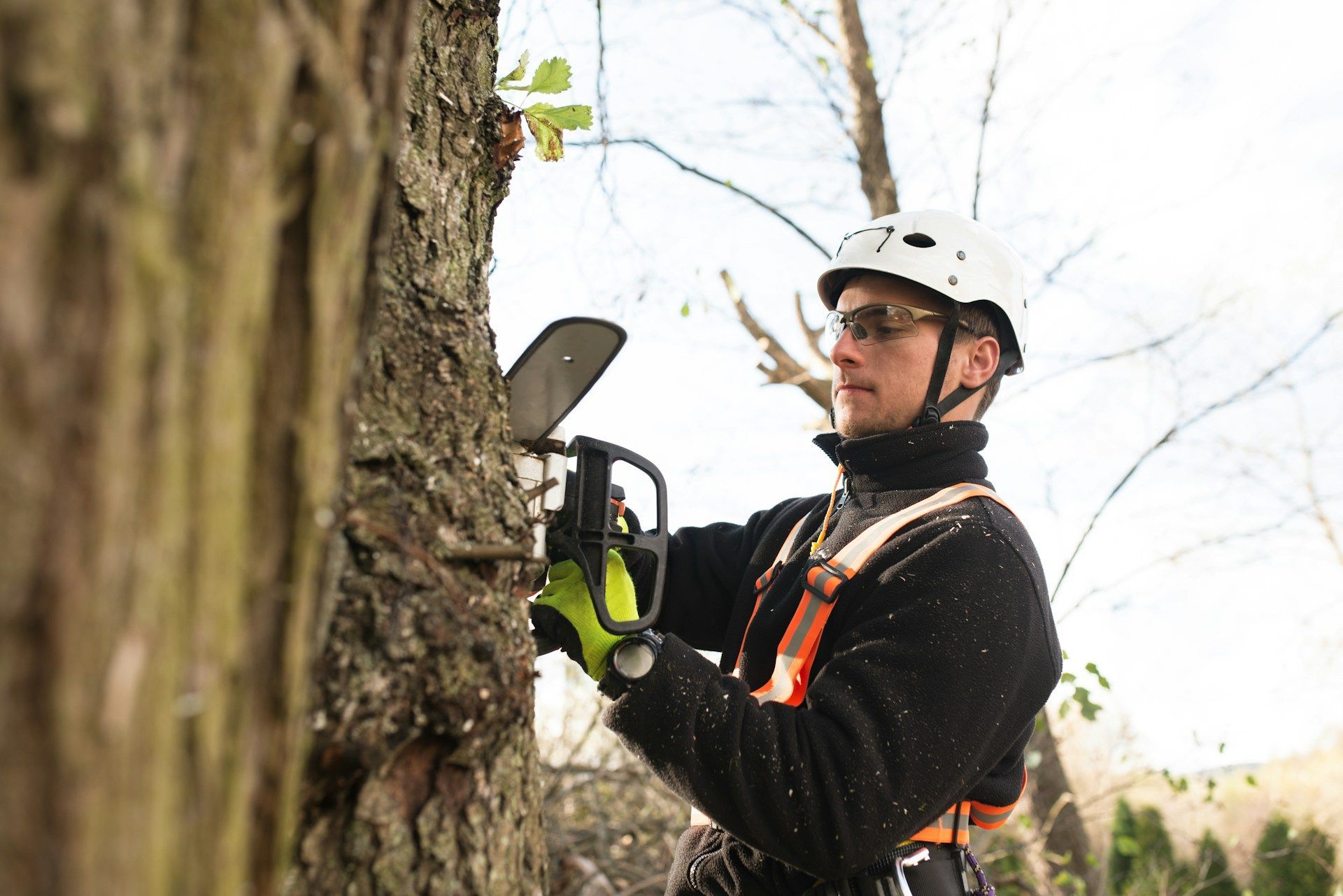
Safety gear is equally important. Wear a hard hat to protect your head from falling branches. Safety glasses are necessary to shield your eyes from debris. Gloves will protect your hands from sharp materials, while ear protection will help you avoid damage from the chainsaw's loud noise. Lastly, wear steel-toed boots for foot protection and durable, non-slip clothing to prevent accidents. By ensuring you have the proper tools and gear, you set the stage for a safe and efficient tree removal process.


Step-by-Step Process for Cutting Down a Tree Safely


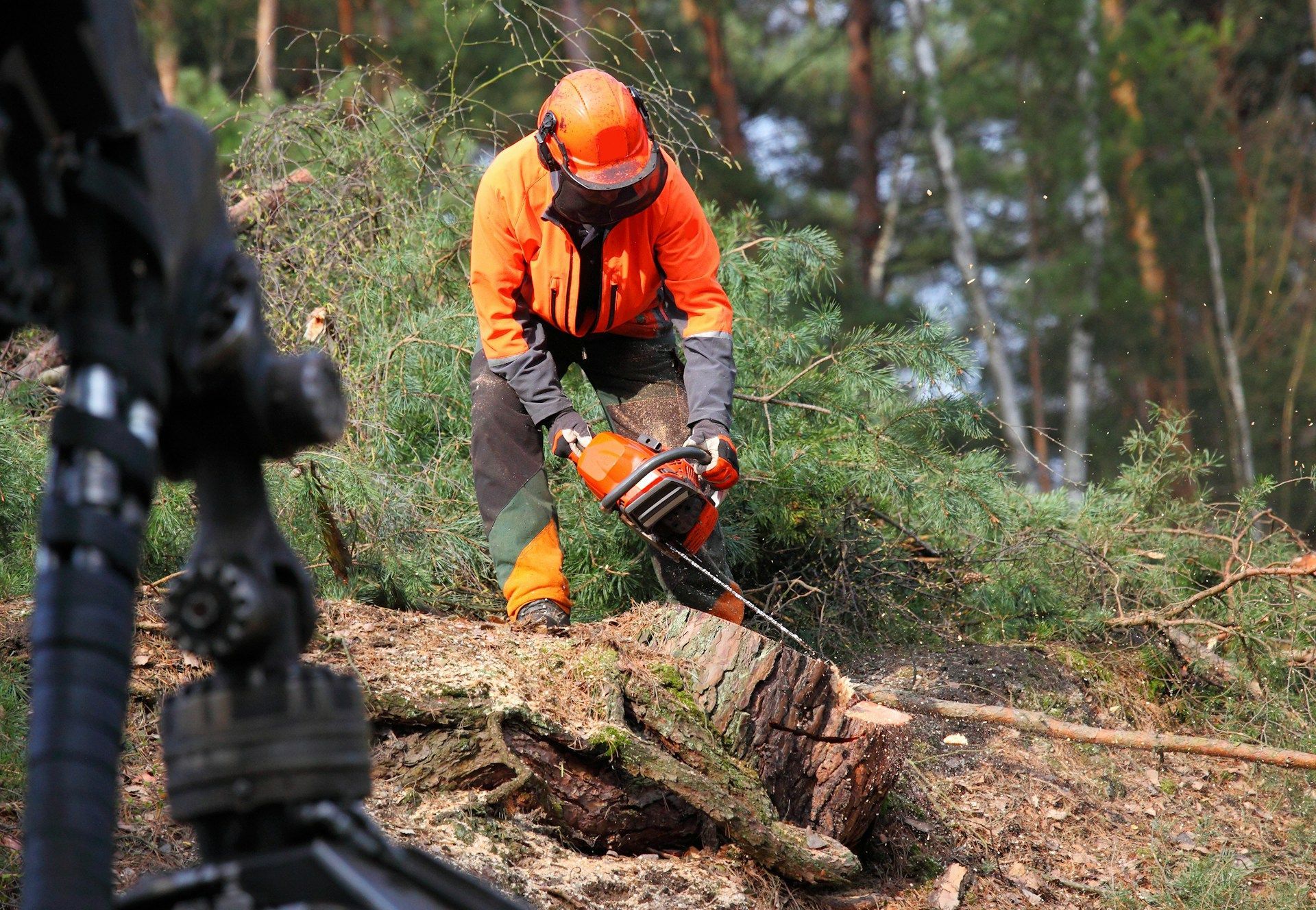
Once you've assessed the tree and gathered your tools and safety gear, it's time to start the tree removal process. Begin by planning the tree's fall direction. Choose a clear area and make an escape route in case the tree doesn’t fall as expected. Start cutting a notch in the tree trunk about one-third of the way through the tree on the side facing where you want it to fall. This notch should be about 45 degrees, creating a wedge for the tree to lean into.


After the notch is made, move to the tree's opposite side to start the back cut. This cut should be about two inches above the bottom of the notch, creating a hinge that guides the tree's fall. Insert a wedge into the cut to keep it open. As you cut, watch the tree carefully for any signs of movement. If the tree starts to fall, move quickly to your planned escape route. Make sure the area stays clear until the tree has completely fallen and settled.


Post-Removal Cleanup and Maintenance Tips


With the tree safely on the ground, the next step is cleanup. Start by removing all branches and cutting the trunk into manageable sections. Use the chainsaw to cut larger branches and the trunk into smaller pieces that you can easily handle or haul away. Dispose of the branches and wood properly; you can recycle them or use them for firewood if they are in good condition.


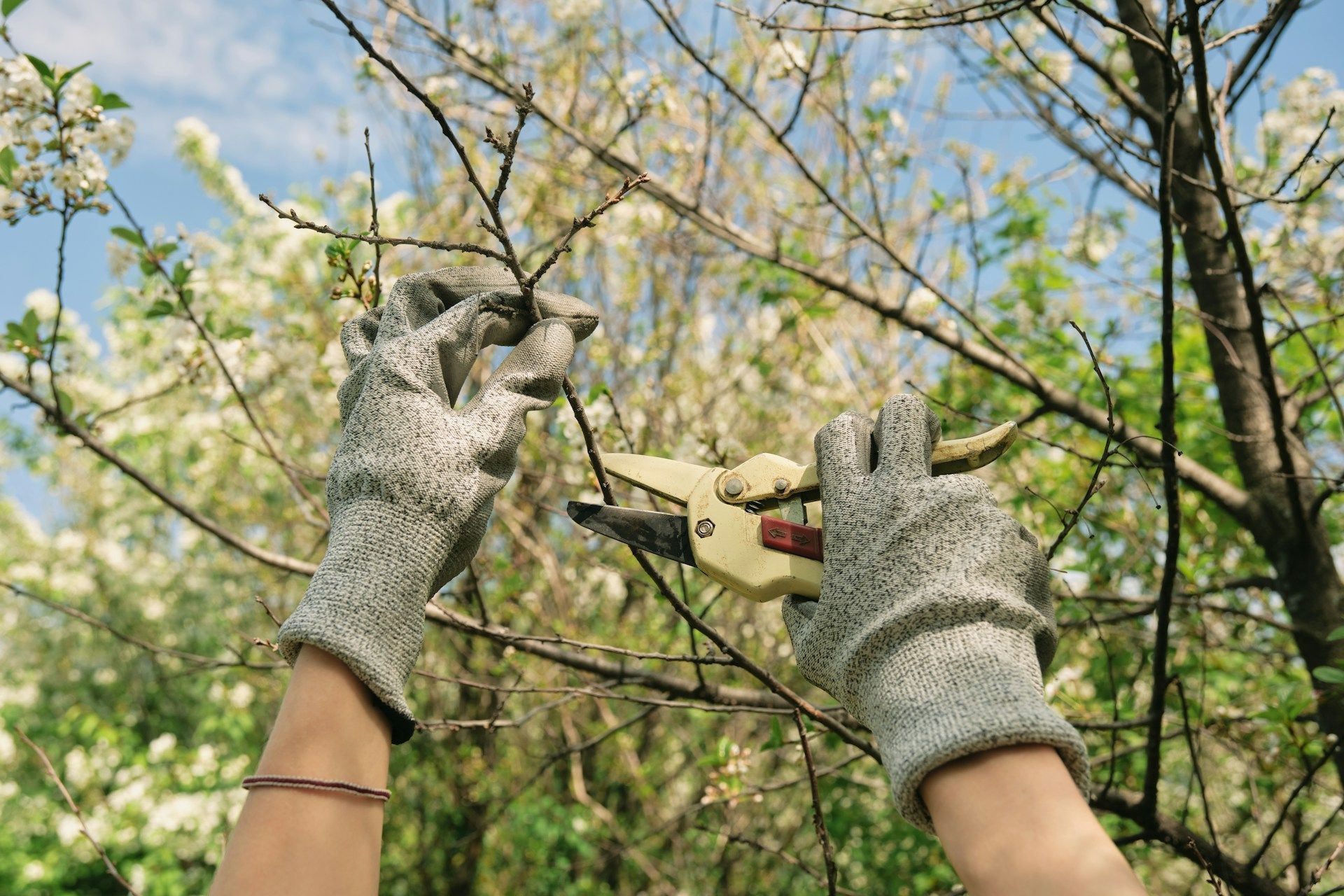
After the large debris is cleared, you need to address the stump. Stump removal can be challenging, but it’s important for yard safety and aesthetics. You can grind the stump down, dig it out, or use a chemical stump remover. Once the stump is dealt with, fill the hole with soil and plant grass or another type of vegetation to restore the area. Regular maintenance, such as pruning healthy trees and inspecting for signs of disease, can prevent future tree removal needs and keep your yard safe.


Conclusion


Tree removal requires careful planning and execution for the safety of everyone involved. Each step is crucial, from assessing the tree and its surroundings to using the right tools and following a safe cutting process. Post-removal cleanup and regular maintenance help ensure your yard stays safe and neat.


If you're unsure about any part of the process or if the tree poses significant risks, it's wise to consult professionals. At Barrie Tree Care Pros, we specialize in safe and efficient
tree removal services. Contact us today to ensure your property remains safe and beautiful. We're here to help with all your tree care needs.
stump removal
February 19, 2026
Clearing space with tree and stump removal now helps prevent spring delays, making it easier to start outdoor projects as soon as the snow melts.
February 10, 2026
Learn how a stump grinding service works in winter and why frozen ground makes cleanup easier, safer, and perfect for prepping spring projects.
February 3, 2026
Learn when to remove a tree or keep it healthy with tree maintenance services in Barrie, plus pruning and safety tips for your property.
professional arborist
January 29, 2026
In Barrie, winter can take a toll on more than just roads and rooftops. Trees around your home can run into trouble too, especially after a big storm leaves everything frozen or covered in heavy snow. While some problems are easy to spot, like a cracked branch on the ground, others are harder to notice until it's too late. One small shift in the ground or a bit of extra weight on a limb can turn into a risky situation fast. If you've ever wondered whether a tree near your property is still safe, it might be time for a closer look. When something feels off, and you're not sure what it means, a certified arborist in Barrie can make a big difference in keeping your property safe. Signs Your Tree Might Not Be Safe Not all tree issues are loud or obvious. Sometimes, the changes are quiet, but they still point to trouble. When checking your trees this winter, keep an eye out for things that didn't look that way in the fall. • A tree that's suddenly tilting or starting to lean more than usual is a warning sign, especially if it follows a windstorm or heavy wet snow. • Deep cracks in the trunk or down near the base can mean stress, weakness, or even internal damage. These can grow worse under pressure from ice or cold. • Large branches with no leaves, broken ends, or that are hanging lower than they used to might be dead or damaged. If they fall, they could cause serious harm. These signs don't always guarantee that a tree is unsafe, but they're often the first hint that something's not right. A quick look from ground level might not tell the full story, which is why getting help early helps avoid bigger problems later. What an Arborist Can Spot That You Might Miss It's easy to notice a cracked branch or a leaning trunk. But there's a lot going on inside a tree and underground that we can't see from the outside. That's where trained eyes make the difference. • Root damage is a big one. It's often hidden below the soil, especially if the ground is frozen. If the root system is weak, the whole tree is at risk of falling. • Disease and insect damage can move fast when trees are already under stress. Discoloured bark, holes, or odd growths may not catch your eye, but we know what to look for. • Placement matters too. Trees growing too close to power lines, fences, or rooftops are more dangerous when branches grow or shift in storms. Even trees that look strong may be in the wrong spot. An ISA-certified arborist from Barrie Tree Care Pros can provide a thorough inspection and offer practical recommendations, from careful pruning to deep root feeding. Spotting issues early helps avoid emergencies down the road. What seems like a small sign today can lead to major damage tomorrow if left alone through the winter. Why Waiting Until Spring Isn't Always the Best Plan A lot of people put off thinking about tree issues until the snow has melted, but winter can actually be a better time to get going. • Cold weather stresses trees more than many realize. Wind, ice, and repeat freeze-thaw cycles can push already weak trees past their limit. • In some cases, frozen ground helps. It may be easier and cleaner to work on a tree in winter than in soft or muddy spring soil. • Taking action earlier means catching problems before branches start snapping or trees start shifting unexpectedly. That kind of damage often comes with loss of power or blocked driveways. We offer year-round arborist services for homes and businesses across Barrie, including tree health assessments, bracing, cabling, and safe removals. If a tree is already damaged, leaving it to face more storms is a gamble. Acting now can help keep things stable until warmer weather arrives. Situations That Call for a Professional Arborist in Barrie Sometimes it's hard to tell whether a situation is serious or not. But there are a few moments when it's best not to wait. • If a tree is close to your home, garage, or places where people spend time, safety has to come first. Even minor signs of damage can be worth checking. • Large limbs stretching over vehicles, decks, or sidewalks add an extra layer of risk. If they fall, there's a clear chance of injury or harm. • Strange sounds like creaking, popping, or any cracking noise during wind or storms often mean pressure is building somewhere in the tree. Not every concern leads to removal. But if something doesn't look or feel right, it saves time and worry to have someone take a proper look. Winter Peace of Mind for Your Property Heavy snow, frozen ground, and icy winds are part of winter in Barrie. But not knowing whether the trees around you are safe feels worse than the weather itself. • A quick assessment from someone who knows what to check can ease that uncertainty. • Spotting changes now reminds us that tree safety connects to people, too, our homes, our neighbours, and everyone around us. • Leaning on someone who does this every day means you don't need to guess or worry about what comes next. We use the latest equipment and up-to-date techniques when inspecting, treating, or removing trees. Our experienced arborists know what local winters can do to root systems and branches and are ready to step in quickly when conditions turn. Knowing your space is safe lets you enjoy winter and focus on what matters inside. If something doesn't sit right with a tree this season, it's better to trust that feeling. Letting small things go unnoticed is often what makes big problems harder later on. The cold months can put extra stress on your trees, but you don't have to face it alone. Barrie Tree Care Pros offers expert insights and timely guidance to keep your property safe. If you're concerned about potential risks or unseen issues, now is the time to connect with an arborist in Barrie . Let us ensure your trees are stable and healthy, providing peace of mind through the winter season.
emergency tree removal in Barrie
January 22, 2026
Learn what to expect during emergency tree removal in Barrie, from icy branches to frozen ground and safe cleanup when winter weather creates a mess.
tree stump removal
By Trevor John January 15, 2026
Get simple tips for safe spring yard prep, from thawing ground to tree stump removal, and learn when it's time to call in support after storms.
man removing tree
January 8, 2026
Learn how snow, ice, or high winds can lead to damage and when to call for emergency tree removal in Barrie before things get worse.
arborist
January 1, 2026
Discover key questions to ensure the right arborist in Simcoe County handles your trees. Learn how Barrie Tree Care Pros maintains your landscape's health.
tree in the middle of snow
December 25, 2025
Learn effective ways to maintain tree health during heavy snowfalls in Barrie. Ensure safety and longevity with expert tree service in Barrie.
Tree Issues in Barrie
December 16, 2025
Address tree challenges in Barrie with expert help. Learn about diseases, pests, weak branches, and soil problems from a skilled arborist in Barrie.