
DIY vs Professional Tree Removal

October 15, 2024

Deciding whether to remove a tree yourself or hire a professional can be a tough choice. Trees are a beautiful part of any landscape, but when they become a hazard or hinder your property’s aesthetics, removal becomes necessary. It's essential to weigh the pros and cons of doing it yourself versus calling in experts.


Safety is a major concern in tree removal. Cutting down a tree involves significant risks, including falling branches, malfunctioning tools, and instability of the tree itself. Without proper knowledge and experience, these risks can lead to serious injuries, or even worse. Understanding these hazards is crucial before attempting any DIY tree removal.


Cost is another factor that often influences the decision. While it might seem cheaper to handle the job yourself, many hidden costs, such as renting equipment or potential damage to your property, can add up. Comparing these expenses with the upfront cost of professional services can help you make an informed choice.


Knowing what tools and equipment are necessary is also important. Professional tree removal teams come equipped with specialized tools that make the job safer and more efficient. On the other hand, DIY efforts may require you to rent or purchase equipment, adding complexity to the task.


Understanding when it’s time to call a professional can save you time, money, and ensure the job is done safely. Sometimes, despite the best intentions, a tree’s size, location, or condition simply makes it too dangerous to remove without expert help.


Understanding the Risks and Safety Concerns


Removing a tree isn't just about cutting it down and hauling it away. Safety concerns are a significant factor to consider. One major risk is falling branches. They can come down unexpectedly and cause serious injuries. Without proper training, it’s challenging to predict how a tree will behave as you cut it.


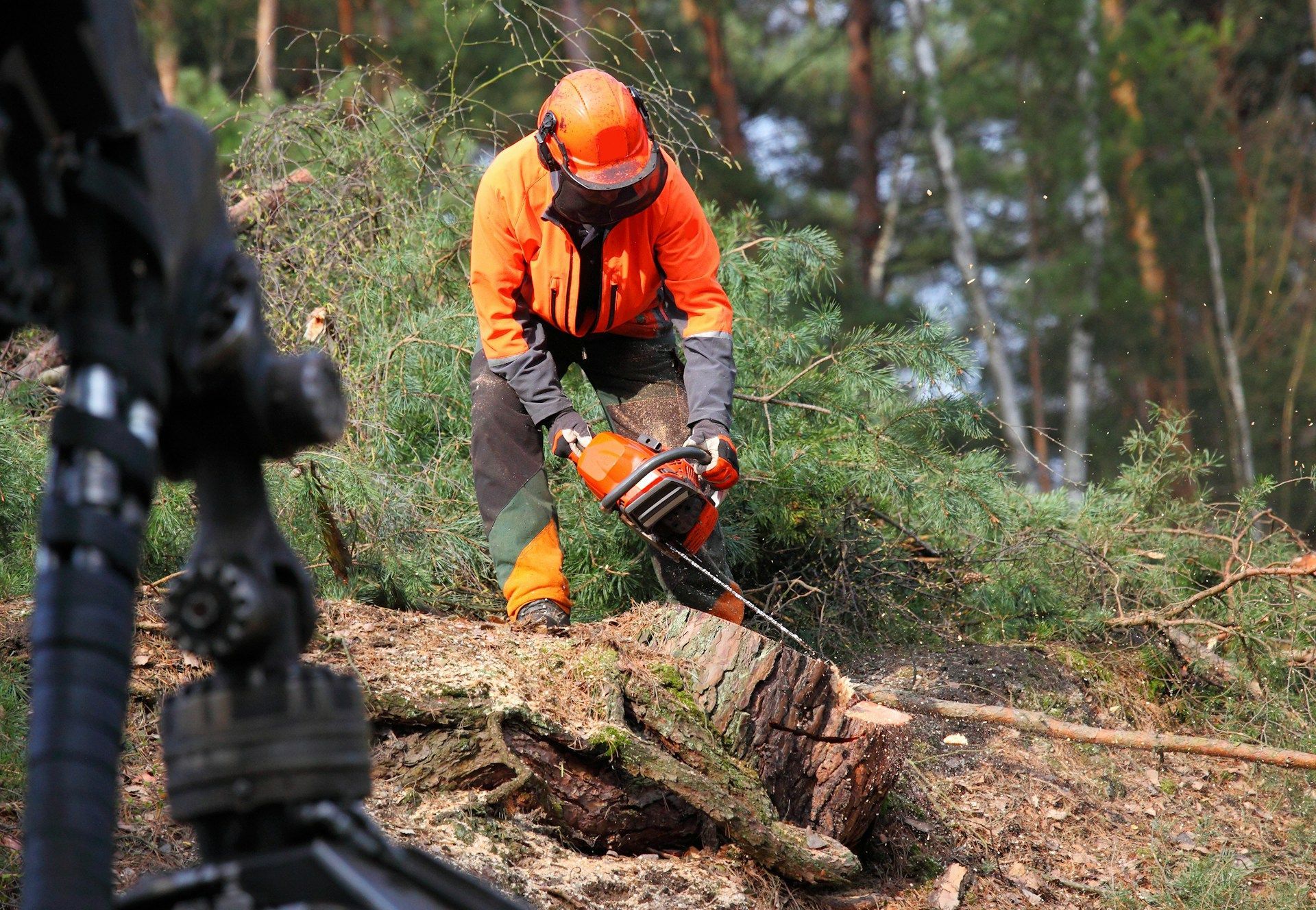
Another danger is dealing with power tools. Chainsaws and wood chippers are powerful machines that require skill and experience. A small mistake can lead to severe injuries. Poor handling can also result in unintended damage to your property or nearby structures.


Lastly, the stability of the tree itself is a serious concern. Trees with compromised roots or weakened trunks can be unpredictable when cut. These trees might not fall where you expect them to, posing a hazard to buildings, vehicles, and even people. Understanding these risks highlights why many people choose to hire professionals for tree removal tasks.


Cost Comparison: DIY vs. Professional Services


When evaluating the costs of DIY vs. professional tree removal, many factors come into play. At first glance, doing it yourself might seem cheaper. After all, you aren't paying for labour. However, there are hidden costs to consider. Renting or buying the necessary tools can add up quickly. Chainsaws, safety gear, and possibly a wood chipper are not cheap. You may also need to invest in safety training to use these tools properly.


On the other hand, hiring professionals involves an upfront cost but can save you money in the long run. Professionals come with their own equipment, training, and experience. They can complete the job quickly and safely, reducing the risk of costly mistakes or injuries. Additionally, many professional services include cleanup in their fees, saving you the effort of dealing with debris.


Remember to factor in your time. Tree removal can be a lengthy process for those who aren’t experienced. What takes professionals a few hours might take you an entire weekend or longer. When you consider these aspects, the cost difference between DIY and professional services might be smaller than you initially thought.


Tools and Equipment Required for Tree Removal


Removing a tree requires a range of tools and equipment, some of which might not be readily available for most homeowners. Here’s a list of essential items you’d need for a DIY job:


  • Chainsaw: This tool is crucial for cutting through the trunk and larger branches. Make sure it’s in good working order and that you know how to handle it safely.
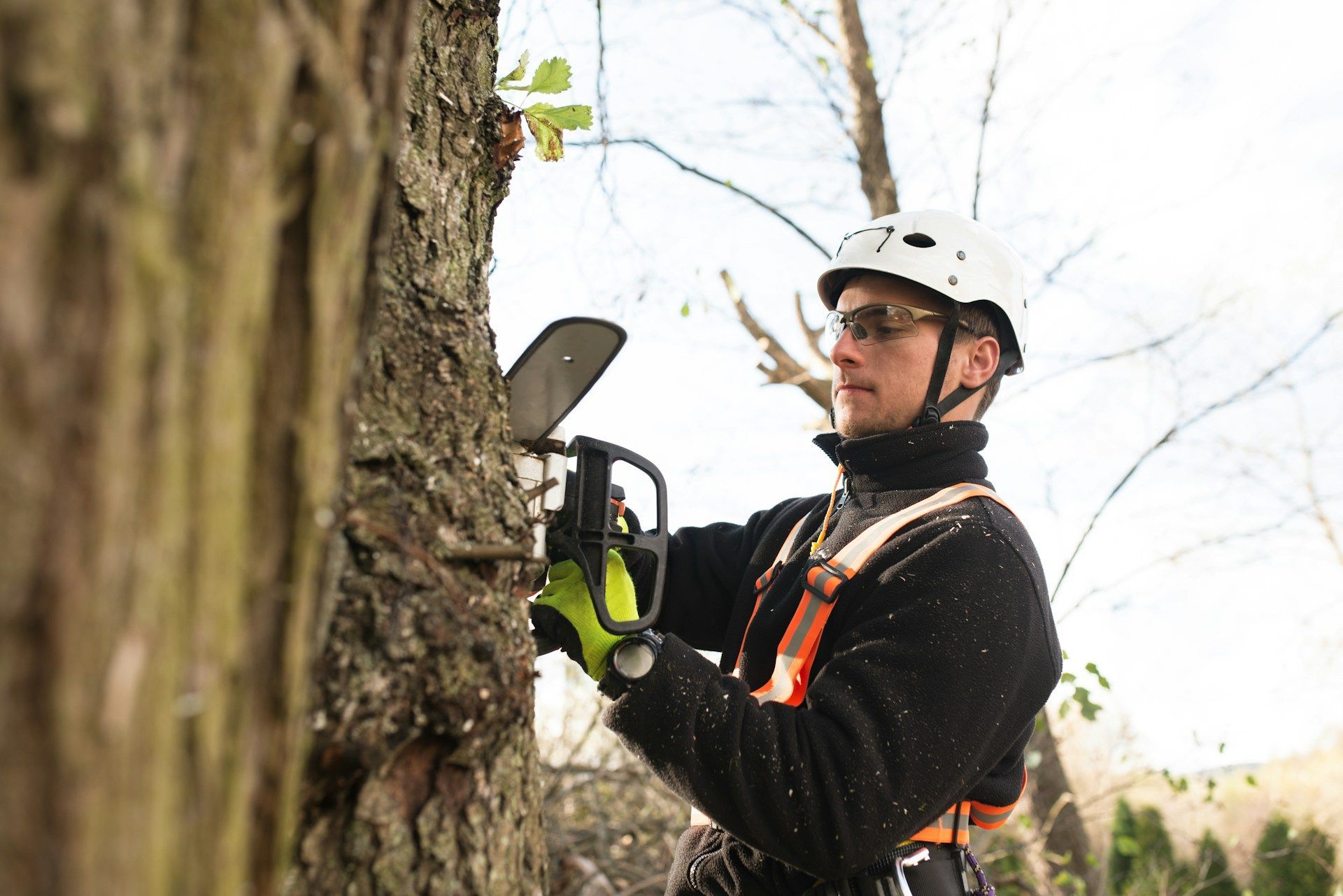
  • Safety Gear: Includes hard hats, gloves, protective eyewear, and steel-toed boots. Proper attire can prevent injuries from falling debris or mishandling tools.
  • Ladders and Ropes: A sturdy ladder is necessary for reaching higher branches. Ropes help in controlling the direction of the tree’s fall.
  • Wood Chipper or Stump Grinder: These tools help in breaking down branches and stumps into manageable pieces for disposal.
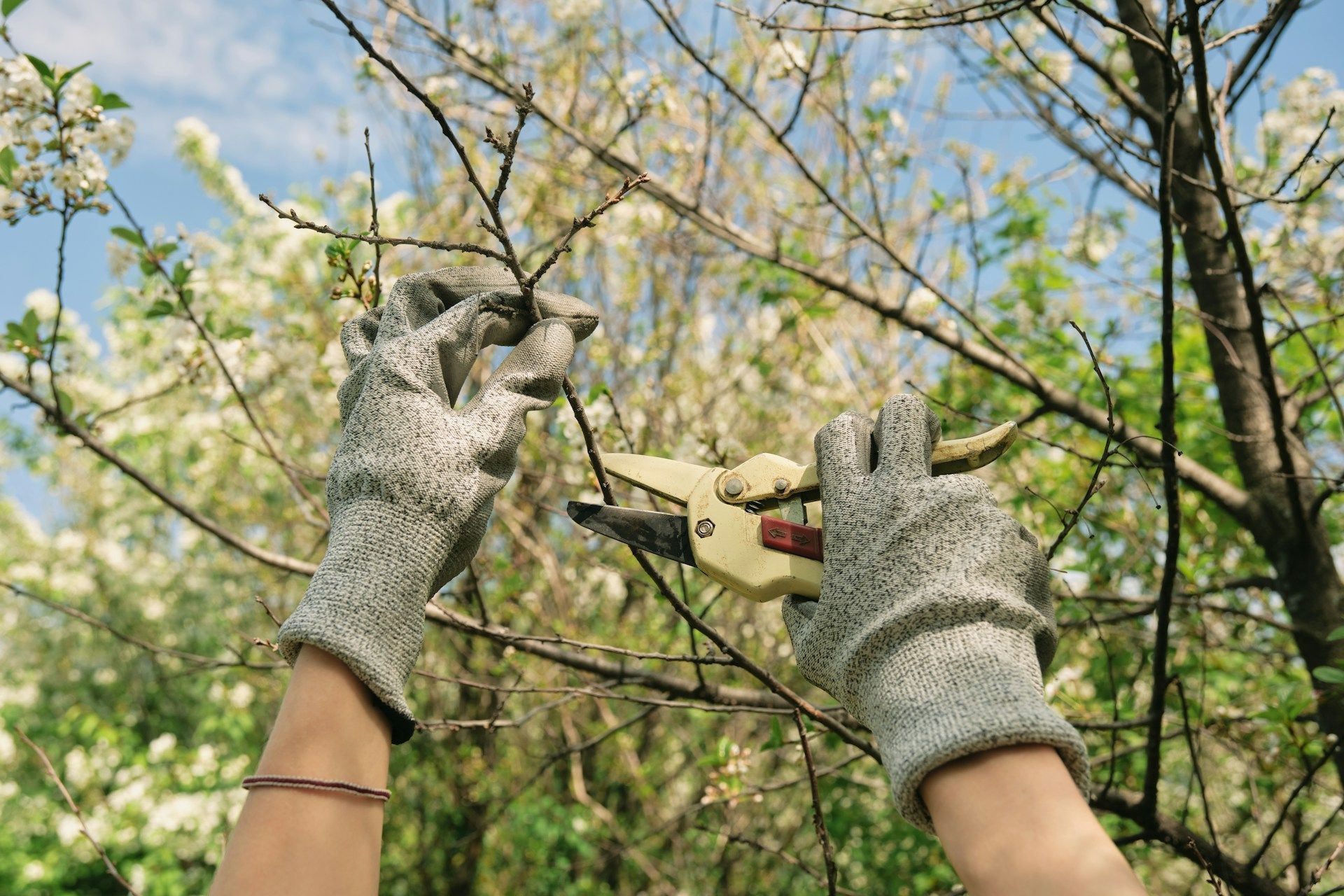
  • Hand Tools: Axes, hand saws, and pruning shears are helpful for smaller branches and detailed work.


Purchasing or renting all this equipment can be costly and challenging if you’re not familiar with how to use it. Skilled handling of these tools is crucial for a safe and efficient tree removal process.


When to Call a Professional for Tree Removal


Knowing when to call a professional can save you a lot of hassle and potential dangers. If a tree is very large or close to structures or power lines, professional help is advisable. Working around these hazards requires specialised skills and equipment that professionals are trained to handle.


Another situation to consider professional assistance is if the tree shows signs of disease or decay. Compromised trees can be unpredictable, making amateur removal risky. An expert can assess the tree’s health and determine the safest method for removal.


Finally, call a professional if you simply lack the time or physical ability to do the job. Tree removal is physically demanding and can be quite time-consuming if you’re not experienced. Hiring professionals ensures the job is done quickly and correctly, often with comprehensive cleanup included.


Conclusion


Understanding the differences between DIY and professional tree removal is crucial before deciding which route to take. There are considerable safety risks associated with tree removal, particularly if you lack the proper equipment or experience. Although DIY might seem cheaper initially, hidden costs and the value of your time can make professional services more appealing.


Professional services provide the necessary tools, expertise, and efficiency to handle even the most challenging tree removal tasks. Recognising when to call a professional can save you a lot of trouble and keep your property safe.


If you’re facing a tree removal task and need expert advice or assistance, reach out to Barrie Tree Care Pros. We offer professional tree removal services to ensure your trees are handled safely and efficiently. Contact us today to schedule a consultation or to learn more about our services.
February 10, 2026
Learn how a stump grinding service works in winter and why frozen ground makes cleanup easier, safer, and perfect for prepping spring projects.
February 3, 2026
Learn when to remove a tree or keep it healthy with tree maintenance services in Barrie, plus pruning and safety tips for your property.
professional arborist
January 29, 2026
In Barrie, winter can take a toll on more than just roads and rooftops. Trees around your home can run into trouble too, especially after a big storm leaves everything frozen or covered in heavy snow. While some problems are easy to spot, like a cracked branch on the ground, others are harder to notice until it's too late. One small shift in the ground or a bit of extra weight on a limb can turn into a risky situation fast. If you've ever wondered whether a tree near your property is still safe, it might be time for a closer look. When something feels off, and you're not sure what it means, a certified arborist in Barrie can make a big difference in keeping your property safe. Signs Your Tree Might Not Be Safe Not all tree issues are loud or obvious. Sometimes, the changes are quiet, but they still point to trouble. When checking your trees this winter, keep an eye out for things that didn't look that way in the fall. • A tree that's suddenly tilting or starting to lean more than usual is a warning sign, especially if it follows a windstorm or heavy wet snow. • Deep cracks in the trunk or down near the base can mean stress, weakness, or even internal damage. These can grow worse under pressure from ice or cold. • Large branches with no leaves, broken ends, or that are hanging lower than they used to might be dead or damaged. If they fall, they could cause serious harm. These signs don't always guarantee that a tree is unsafe, but they're often the first hint that something's not right. A quick look from ground level might not tell the full story, which is why getting help early helps avoid bigger problems later. What an Arborist Can Spot That You Might Miss It's easy to notice a cracked branch or a leaning trunk. But there's a lot going on inside a tree and underground that we can't see from the outside. That's where trained eyes make the difference. • Root damage is a big one. It's often hidden below the soil, especially if the ground is frozen. If the root system is weak, the whole tree is at risk of falling. • Disease and insect damage can move fast when trees are already under stress. Discoloured bark, holes, or odd growths may not catch your eye, but we know what to look for. • Placement matters too. Trees growing too close to power lines, fences, or rooftops are more dangerous when branches grow or shift in storms. Even trees that look strong may be in the wrong spot. An ISA-certified arborist from Barrie Tree Care Pros can provide a thorough inspection and offer practical recommendations, from careful pruning to deep root feeding. Spotting issues early helps avoid emergencies down the road. What seems like a small sign today can lead to major damage tomorrow if left alone through the winter. Why Waiting Until Spring Isn't Always the Best Plan A lot of people put off thinking about tree issues until the snow has melted, but winter can actually be a better time to get going. • Cold weather stresses trees more than many realize. Wind, ice, and repeat freeze-thaw cycles can push already weak trees past their limit. • In some cases, frozen ground helps. It may be easier and cleaner to work on a tree in winter than in soft or muddy spring soil. • Taking action earlier means catching problems before branches start snapping or trees start shifting unexpectedly. That kind of damage often comes with loss of power or blocked driveways. We offer year-round arborist services for homes and businesses across Barrie, including tree health assessments, bracing, cabling, and safe removals. If a tree is already damaged, leaving it to face more storms is a gamble. Acting now can help keep things stable until warmer weather arrives. Situations That Call for a Professional Arborist in Barrie Sometimes it's hard to tell whether a situation is serious or not. But there are a few moments when it's best not to wait. • If a tree is close to your home, garage, or places where people spend time, safety has to come first. Even minor signs of damage can be worth checking. • Large limbs stretching over vehicles, decks, or sidewalks add an extra layer of risk. If they fall, there's a clear chance of injury or harm. • Strange sounds like creaking, popping, or any cracking noise during wind or storms often mean pressure is building somewhere in the tree. Not every concern leads to removal. But if something doesn't look or feel right, it saves time and worry to have someone take a proper look. Winter Peace of Mind for Your Property Heavy snow, frozen ground, and icy winds are part of winter in Barrie. But not knowing whether the trees around you are safe feels worse than the weather itself. • A quick assessment from someone who knows what to check can ease that uncertainty. • Spotting changes now reminds us that tree safety connects to people, too, our homes, our neighbours, and everyone around us. • Leaning on someone who does this every day means you don't need to guess or worry about what comes next. We use the latest equipment and up-to-date techniques when inspecting, treating, or removing trees. Our experienced arborists know what local winters can do to root systems and branches and are ready to step in quickly when conditions turn. Knowing your space is safe lets you enjoy winter and focus on what matters inside. If something doesn't sit right with a tree this season, it's better to trust that feeling. Letting small things go unnoticed is often what makes big problems harder later on. The cold months can put extra stress on your trees, but you don't have to face it alone. Barrie Tree Care Pros offers expert insights and timely guidance to keep your property safe. If you're concerned about potential risks or unseen issues, now is the time to connect with an arborist in Barrie . Let us ensure your trees are stable and healthy, providing peace of mind through the winter season.
emergency tree removal in Barrie
January 22, 2026
Learn what to expect during emergency tree removal in Barrie, from icy branches to frozen ground and safe cleanup when winter weather creates a mess.
tree stump removal
By Trevor John January 15, 2026
Get simple tips for safe spring yard prep, from thawing ground to tree stump removal, and learn when it's time to call in support after storms.
man removing tree
January 8, 2026
Learn how snow, ice, or high winds can lead to damage and when to call for emergency tree removal in Barrie before things get worse.
arborist
January 1, 2026
Discover key questions to ensure the right arborist in Simcoe County handles your trees. Learn how Barrie Tree Care Pros maintains your landscape's health.
tree in the middle of snow
December 25, 2025
Learn effective ways to maintain tree health during heavy snowfalls in Barrie. Ensure safety and longevity with expert tree service in Barrie.
Tree Issues in Barrie
December 16, 2025
Address tree challenges in Barrie with expert help. Learn about diseases, pests, weak branches, and soil problems from a skilled arborist in Barrie.
stump grinding services
December 10, 2025
Barrie Tree Care Pros offers expert stump grinding services for a tidy, safe landscape. Discover the long-term benefits of maintaining your yard.