
How Emergency Tree Removal in Barrie Works in Winter
When winter hits Barrie, trees can take a real beating from the weather. Heavy snow, strong winds, and thick ice can all put extra pressure on branches that might already be weak. That’s when trouble starts. Limbs snap. Trees lean over fences. Sometimes, large trees fall and block driveways or drop onto rooftops. It’s not something anyone wants to deal with, especially in the freezing cold.
That’s why emergency tree removal in Barrie becomes more common this time of year. Winter adds extra stress to trees, and that stress can turn into danger fast. Knowing how this process works makes it less stressful if something does happen. Let’s walk through what these calls usually involve, why winter matters, and how the whole thing is handled when snow’s on the ground and the wind’s not letting up.
When Winter Weather Causes Tree Emergencies
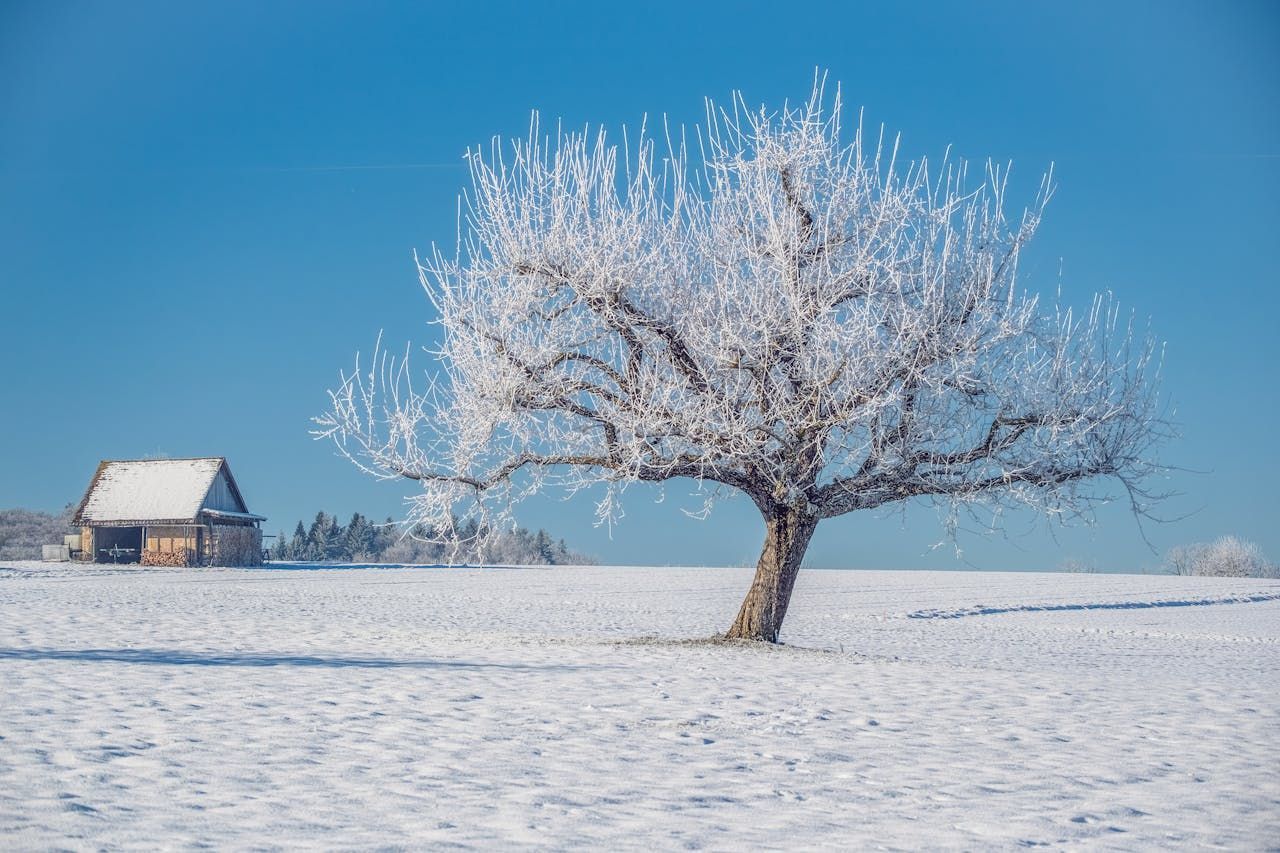
Cold weather doesn’t just make driving harder or keep us indoors, it also makes trees more likely to fail. Snow and ice build up on branches, weighing them down. If those limbs are already weakened or too long, they often can’t hold the weight. Add some wind and freezing rain to the mix, and things can go sideways in a hurry.
Some of the most common emergencies we see in winter include:
• Large limbs falling across parked cars or walkways
• Trees leaning into power lines after a storm
• Cracked trunks that are still standing but no longer safe
• Uprooted trees, especially in areas with poor drainage
The ground itself plays a role too. Frozen soil can make trees less stable, while deep snow hides trip hazards and low limbs. All of that combines to make winter tree work harder and more urgent. Speed matters, but so does being careful in difficult conditions.
What Happens During an Emergency Tree Removal Call
When someone calls about a tree emergency, the situation is usually tense. People are worried about damage and safety, which makes quick, clear decisions important. Once we get the call, we gather the basics: where the tree is, what caused the problem, and whether it’s safe to enter the area.
From there, here’s what people can usually expect:
• We assess the tree and surrounding area, looking for power lines, nearby buildings, or unstable snow
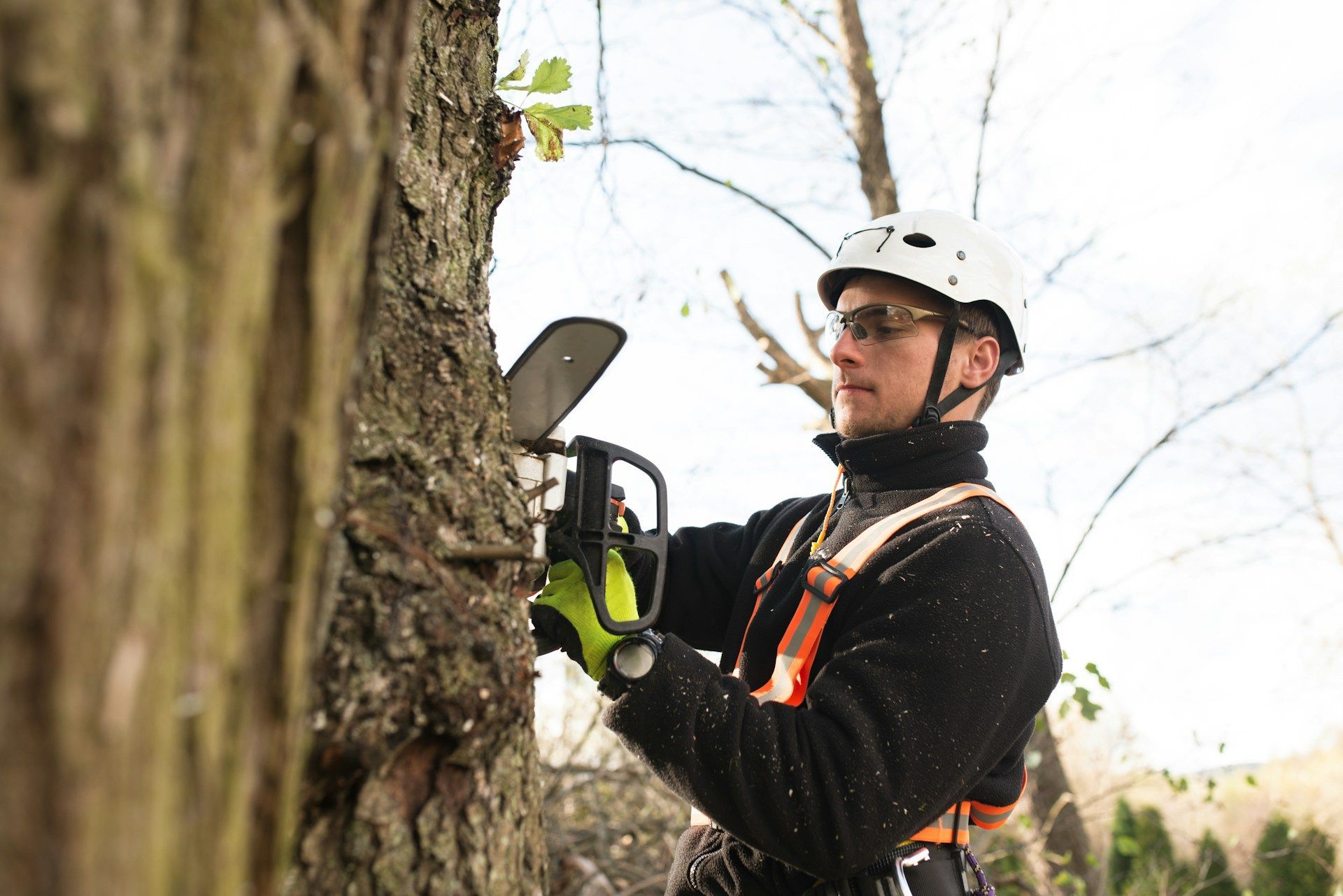
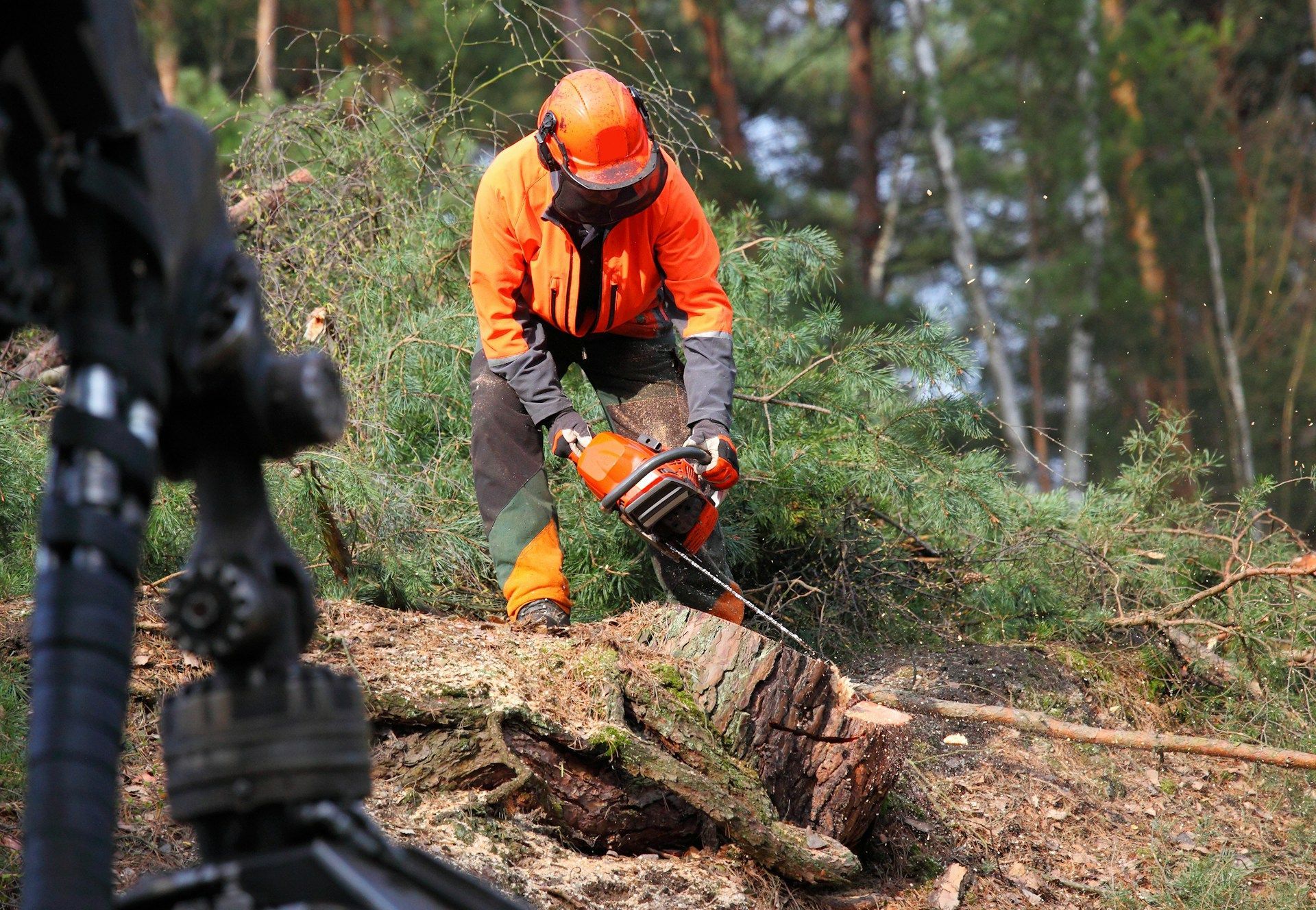
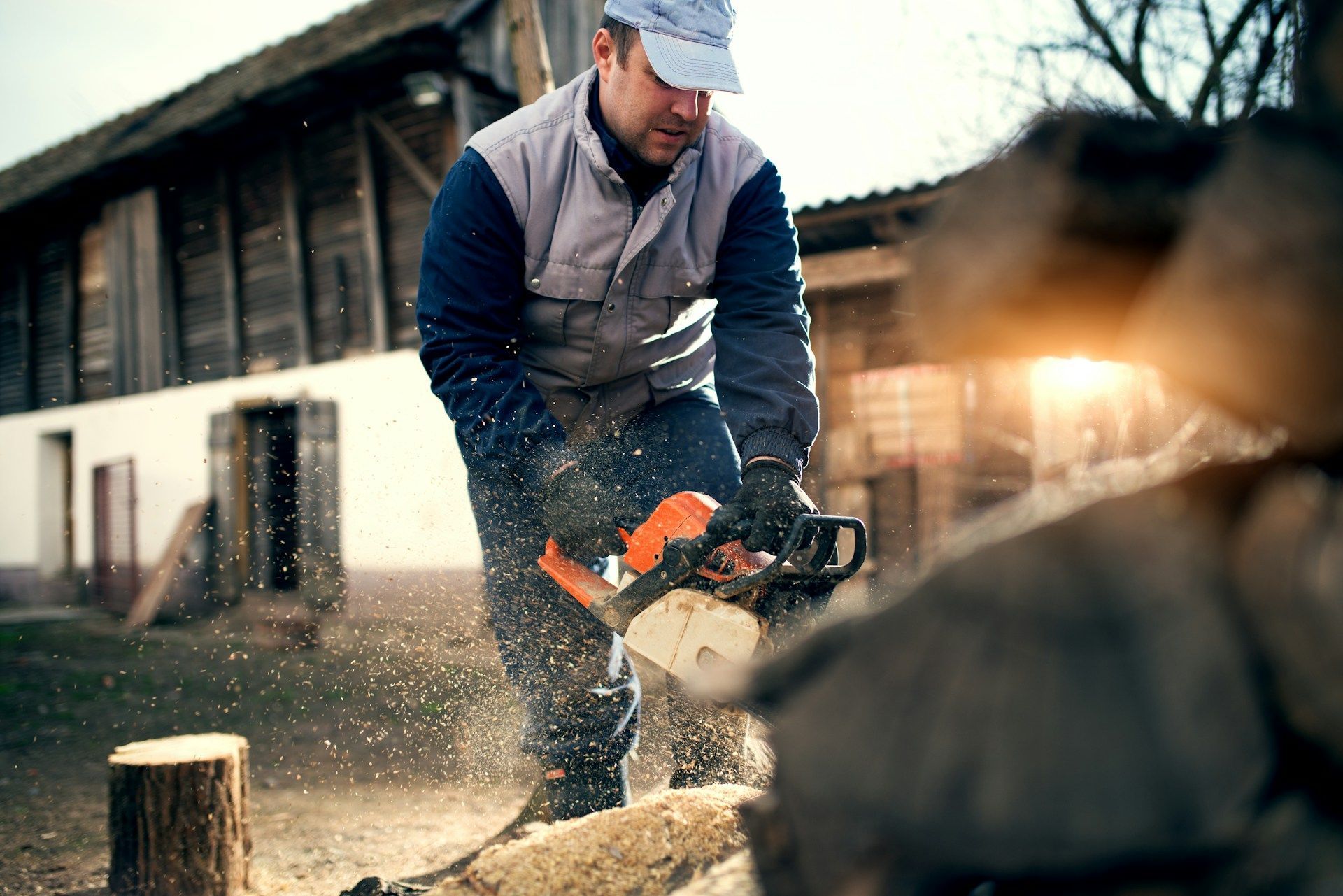
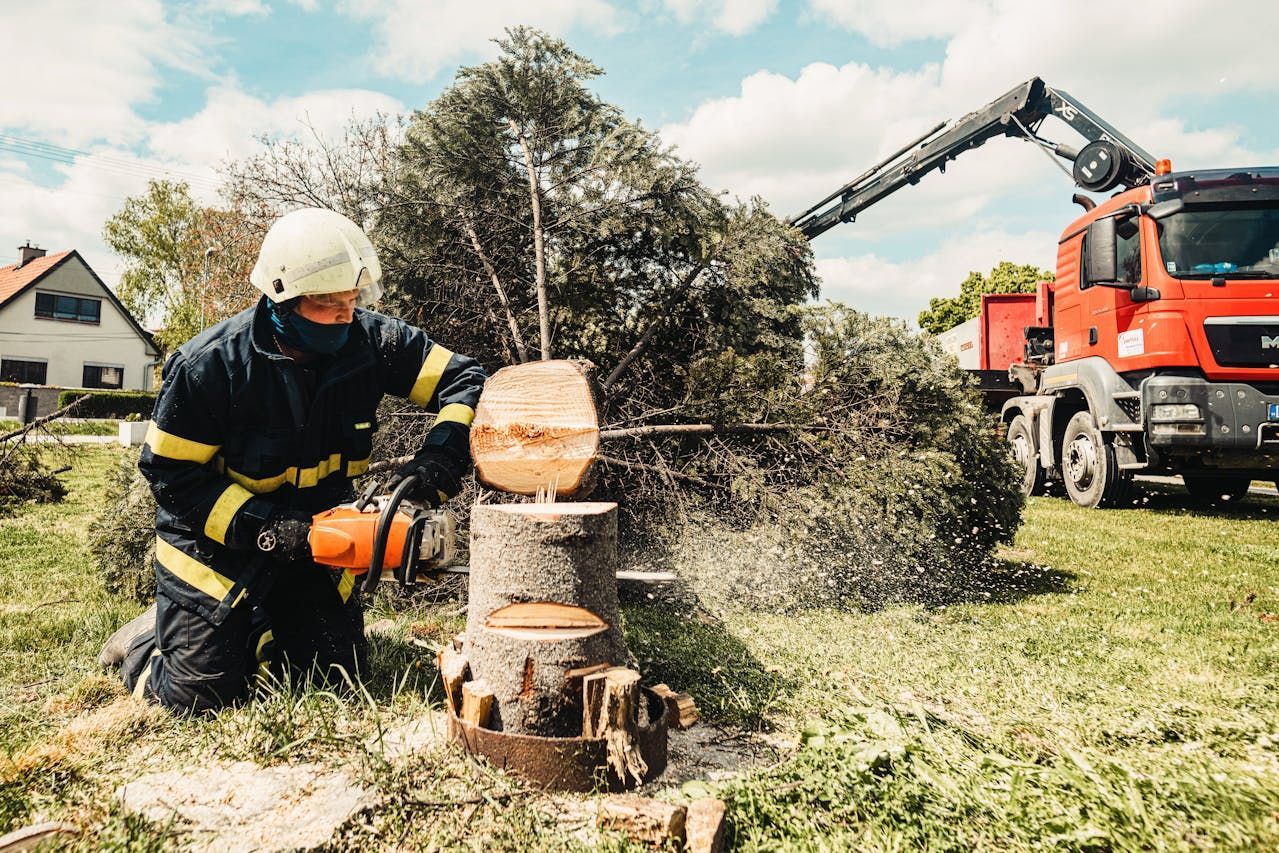
• We get equipment ready, which often includes chainsaws, ropes, winches, and sometimes a bucket truck
• Safety comes first, so we keep a close eye on footing and overhead hazards before getting to work
Winter emergencies don’t always play by the rules. Snow may block access, or daylight runs out fast. Still, we work as safely and quickly as conditions allow. Even with the pressure to move fast, it’s never worth rushing through dangerous steps.
Challenges of Removing Trees in Cold Weather
Tree removal is no small task, and in winter, it gets trickier. Simple things like starting a saw or keeping your footing can turn into slowdowns when it’s cold or snow-covered outside.
Here are some of the biggest winter-specific challenges:
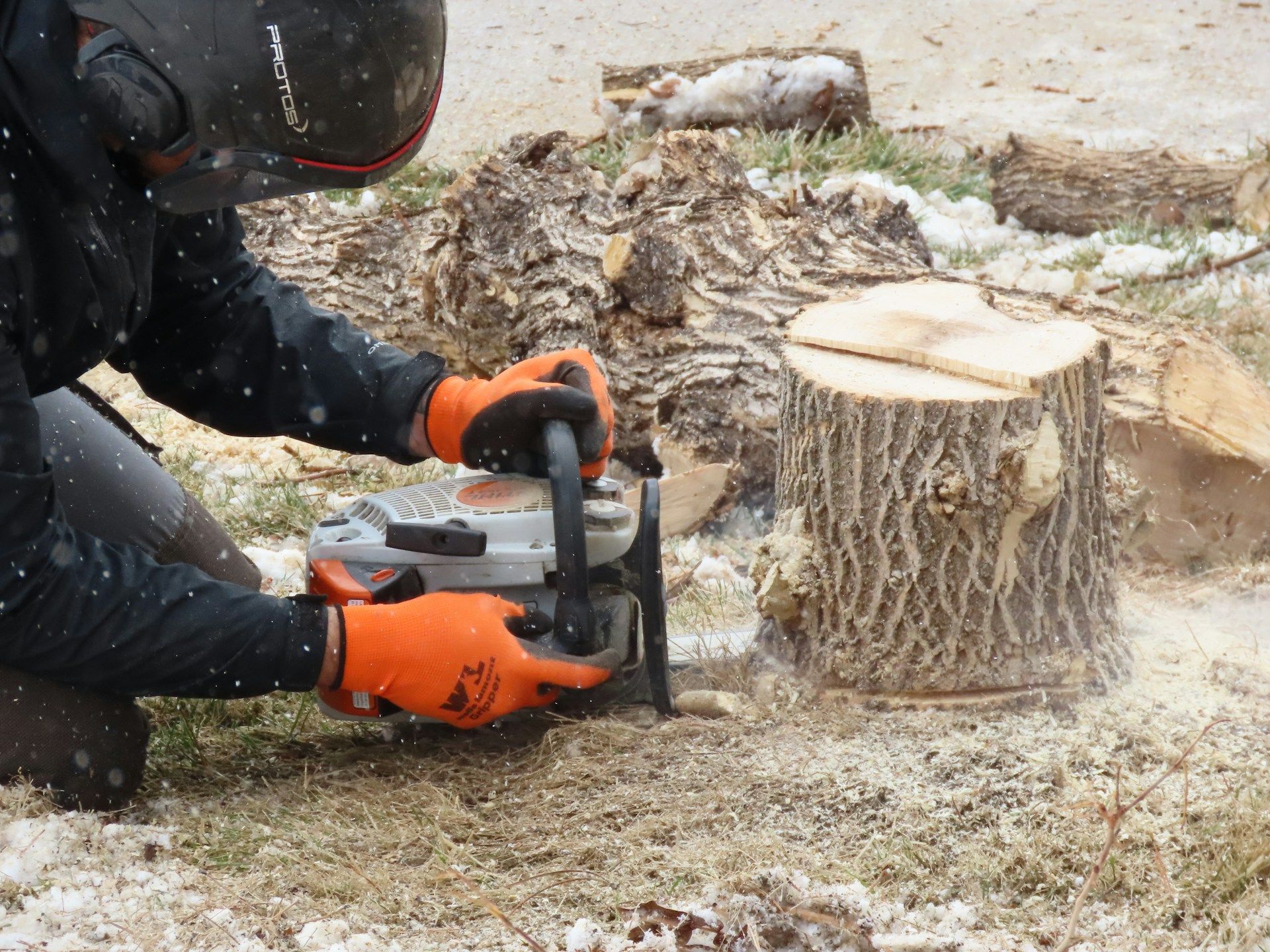
• Equipment can freeze up or work slowly in low temperatures
• Ice-covered limbs are harder to cut safely
• Shorter days mean fewer daylight hours to finish the job
• Snow may hide hidden hazards like sharp debris, low wires, or uneven ground
We have to pay close attention to how the snow affects the job site. Is it fluffy and deep, or icy and heavy? Can we move fallen trees safely without creating ruts or slips? Every step, from setup to cleanup, is shaped by the cold.
Staying Safe Until Help Arrives
If a tree falls onto your property during winter, it’s easy to feel panicked. But rushing in to fix it yourself can sometimes cause more harm. Most of the time, the safest choice is to step back and wait for help.
Here’s what to do while you wait:
• Keep a safe distance from the tree and anything touching it
• Don’t try to move limbs on your own, especially if they’re cracked or under tension
• Stay inside if wires are involved or if conditions are slippery
• Make sure no one else gets too close, even pets
Only trained crews should handle heavy fallen trees, especially when the weather makes everything more difficult. Waiting it out may feel slow, but it's usually the safest move.
What to Expect After the Removal
Once the tree is gone, it’s not unusual for some of the work to be left behind, not because it’s forgotten, but because winter makes certain tasks tricky. For example, stump removal might need to be delayed if the ground is frozen solid. The same goes for detailed cleanup along lawns or garden areas.
Here’s what people often see after a winter tree removal:
• Sawdust, branches, or logs carefully stacked off to the side
• A rough or dented area where the tree stood, especially if heavy machinery was needed
• Snow-covered patches that may be uneven or muddy once they melt
We often return when the weather warms up to finish stump grinding or smoothing out the area. That helps the space recover better once spring rolls around.
Your Local Expert for Emergency Tree Removal
Barrie Tree Care Pros is fully insured and brings years of experience to every winter tree emergency in Barrie. We offer fast response for urgent jobs, including safe removal of hazardous trees near homes, driveways, and power lines. Our team is trained to use specialized equipment, such as bucket trucks and winches, to handle even the most challenging removals in winter conditions. No matter the scale of the emergency, we are committed to protecting your safety and restoring your property with professional care.
Winter storms can cause big problems fast, and knowing what to do makes a difference. We’ve seen how snow, ice, and cold weather can lead to broken branches or downed trees that turn your yard into a hazard. When timing matters, having the right help on hand can make things safer and less stressful. If you ever need support with
emergency tree removal in Barrie, we’re here to get things cleared safely. Reach out to Barrie Tree Care Pros if you need help right away.